Food & Treats

10 Best Kitten Food of 2026: Balancing Nutrition, Hydration & Cost

Find the right dry or wet kitten food for healthy growth, digestion, and budget – whether you have a picky eater or a multi-kitten household.

Choosing kitten food often comes down to competing priorities: cost, palatability, and digestive tolerance. Many owners find that a food their kitten loves one week causes loose stools the next, while budget-friendly bags can hide lower protein content or fillers.

The reality is that most dry kitten foods are nutritionally complete, but hydration from wet food matters for urinary health. Grain-free formulas are a marketing trend, not a medical necessity for healthy kittens. This guide focuses on what actually works: protein source, digestibility, and value.

The best pick for your kitten depends on its individual stomach and your feeding routine. There is no single perfect food, but the options here have earned consistent real-world trust across thousands of meals.

1

Purina ONE Healthy Kitten

Top Pick
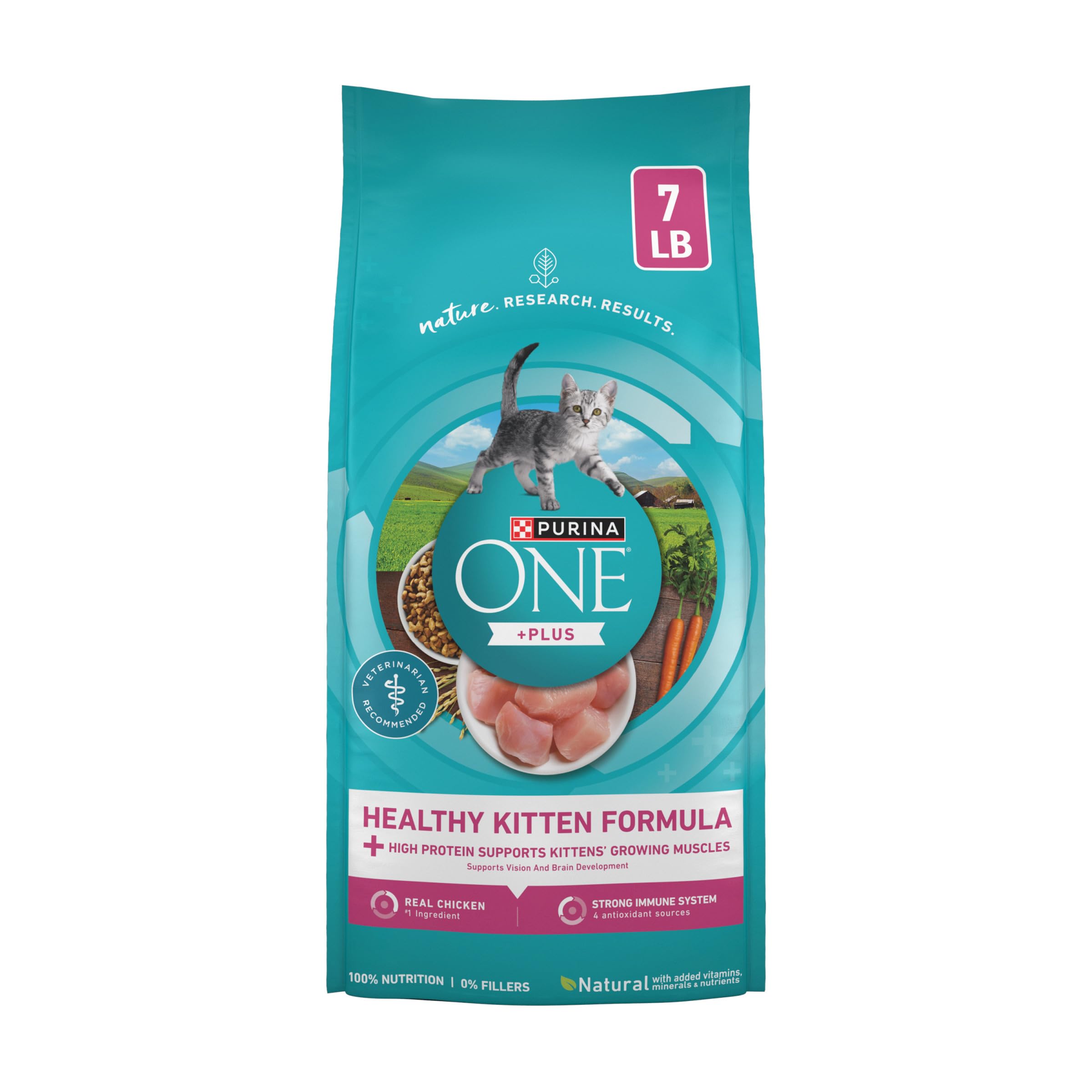
Purina ONE Healthy Kitten

Growing kittens

Our Score 9.6/10
Check Price

Worth Noting

  • Bag lacks a resealable closure; storing in an airtight container is recommended
  • Contains grains, so not suitable for kittens with grain sensitivities
DHA
Yes
Grain-Free
No
Kibble Size
Small pellet
Protein Source
Chicken first ingredient
Read the full review

Kittens take to this formula eagerly, with minimal digestive issues even during transitions. The DHA content supports healthy brain and vision development, and the small kibble size suits growing mouths without causing frustration.

For households that want a cost-effective large bag covering all growth nutrition — real chicken first, with antioxidants and vitamins — this delivers consistently. The bag lacks a resealable closure, so storing in an airtight container keeps the food fresh longer.

Store the food in an airtight container to maintain freshness since the bag lacks a resealable closure.

Bottom line: For a widely palatable, digestible dry food that covers all growth needs without straining the budget, this is the default for most kitten owners.

2

Hill's Science Diet Kitten

Hill's Science Diet Kitten

Vet-recommended growth

Our Score 9.6/10
Check Price

Worth Noting

  • Premium price relative to most other dry foods
  • Mild odor present in the bag that may be off-putting
DHA
Yes
Grain-Free
No
Kibble Size
Small pellet
Protein Source
Chicken high-quality protein
Read the full review

This food carries the endorsement of more US veterinarians than any other brand, supporting balanced growth with DHA for brain development and small kibble for easy eating. It is a premium-priced option best suited for owners who prioritize vet-backed nutrition and are willing to pay more; budget-conscious shoppers should look to the top pick. Note that it contains grains, so kittens with specific grain or ingredient allergies would need a different formula.

Bottom line: This kitten food is a strong choice for those who value veterinary recommendation above all else; buyers on a tighter budget will find more affordable options with similar nutritional profiles.

3

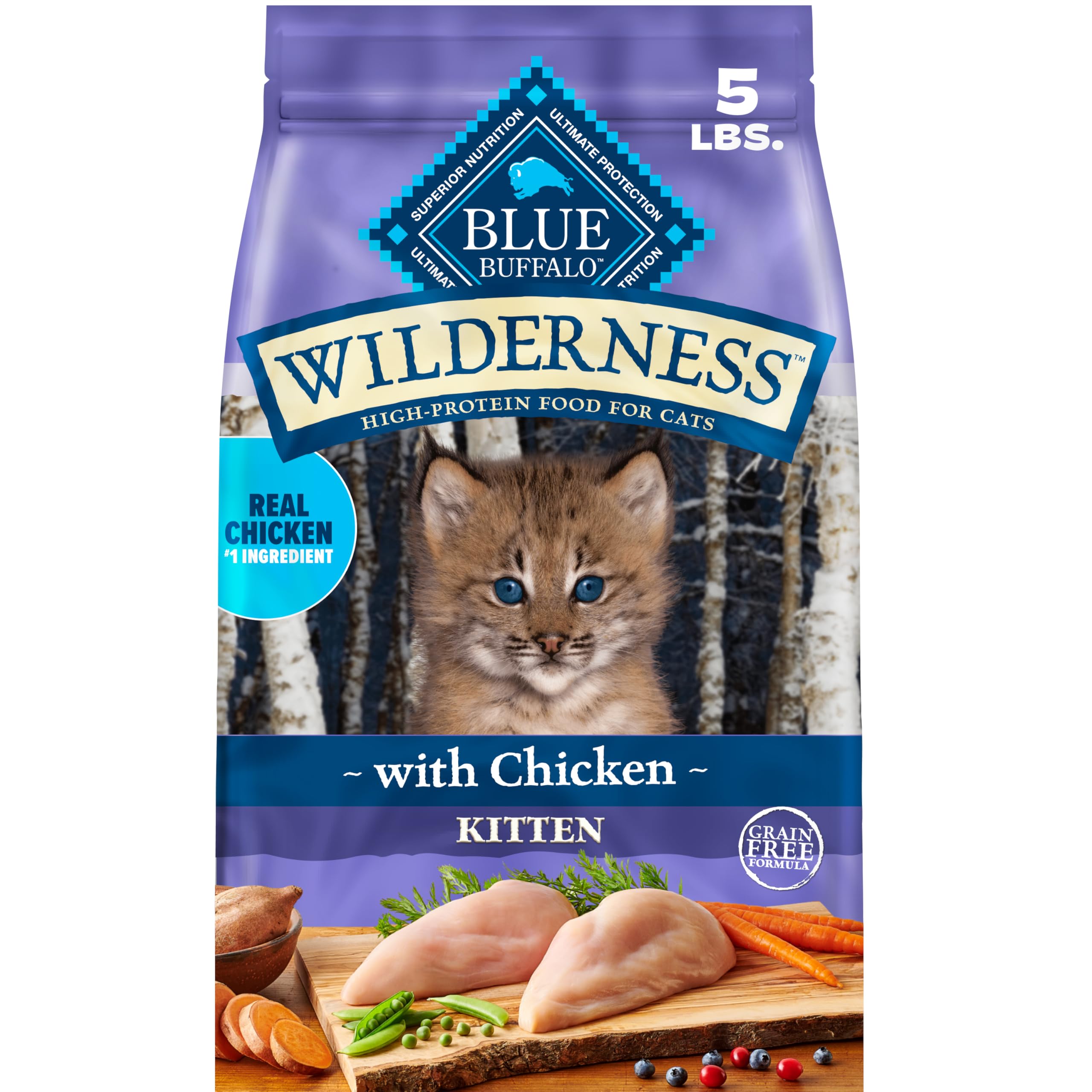
Blue Buffalo Wilderness Kitten

Blue Buffalo Wilderness Kitten

Grain-free diet

Our Score 9.6/10
Check Price

Worth Noting

  • Premium-priced compared to non-grain-free options.
  • Some kittens produce strong-smelling stool on this formula.
DHA
Yes
Grain-Free
Yes
Kibble Size
Small kibble
Protein Source
Real chicken first
Read the full review

Blue Buffalo Wilderness delivers 40% protein from real chicken as the first ingredient, with no poultry by-products, corn, wheat, or soy. The premium price reflects this ingredient purity, though some kittens may produce strong-smelling stool on this formula. It's best for health-conscious owners of active kittens who want a grain-free high-protein diet and are comfortable paying more than typical non-grain-free options.

A gradual transition to this food may help reduce the strong stool odor some kittens experience.

Bottom line: If your kitten is active and you prioritize a grain-free clean label, this fits – just be prepared for the premium price and possible stool odor.

4

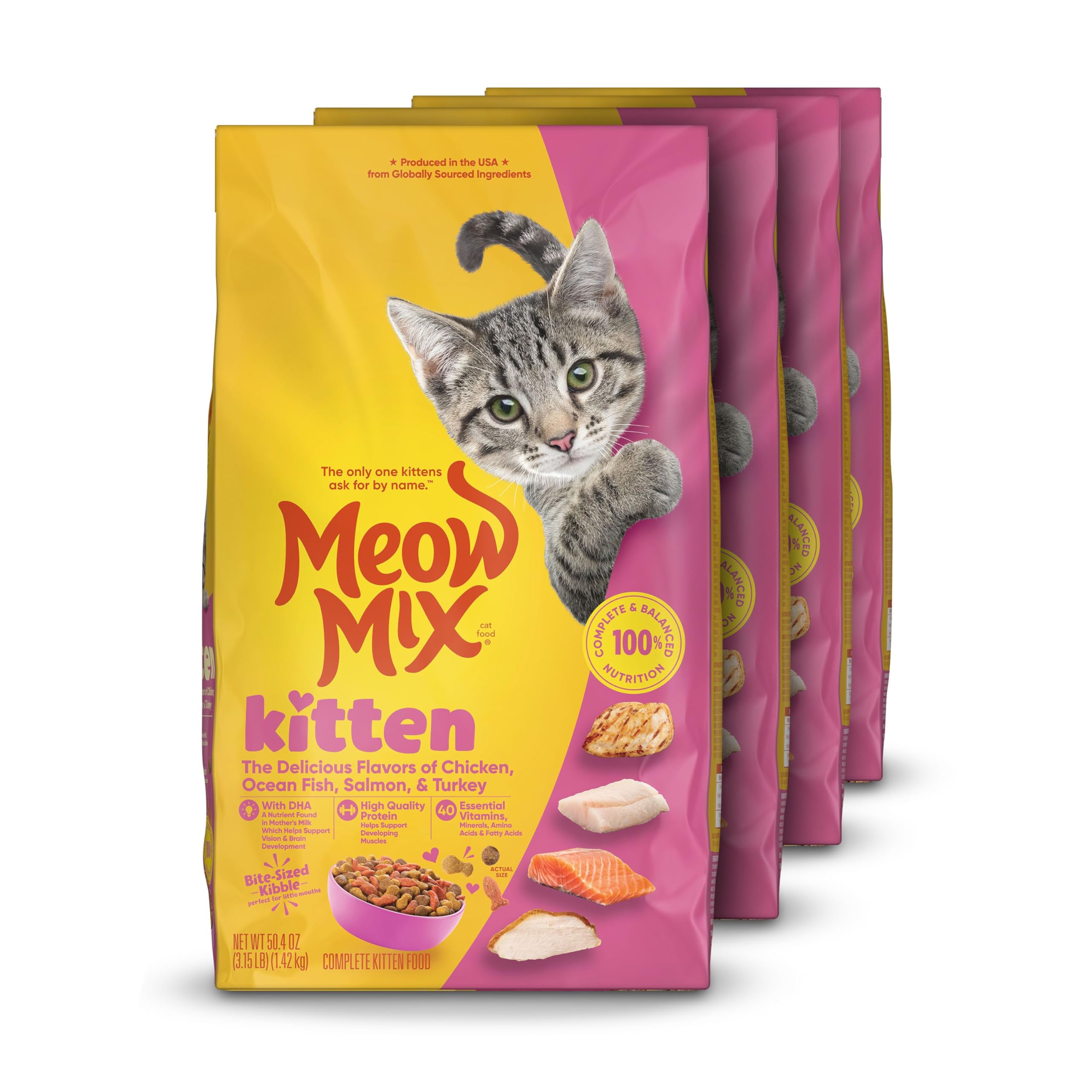
Meow Mix Kitten Li'l Nibbles

Meow Mix Kitten Li'l Nibbles

Budget multi-kitten

Our Score 9.6/10
Check Price

Worth Noting

DHA
Yes
Grain-Free
No
Kibble Size
Small kibble
Protein Source
Chicken, salmon, turkey, fish
Read the full review

Unbeatable price per pound makes this multi-bag pack the most affordable dry food kittens actually eat with enthusiasm. It includes DHA and four flavors in small kibble, and digestibility is decent for a budget option. The tradeoff: lower protein content and more fillers compared to premium brands, and it contains grains, so not suitable for kittens with grain sensitivities. This is the go-to dry food for budget-conscious owners with multiple hardy kittens who don't need grain-free ingredients.

Bottom line: The best value dry food for owners who prioritize cost over ingredient quality - ideal for multiple kittens without grain sensitivities.

5

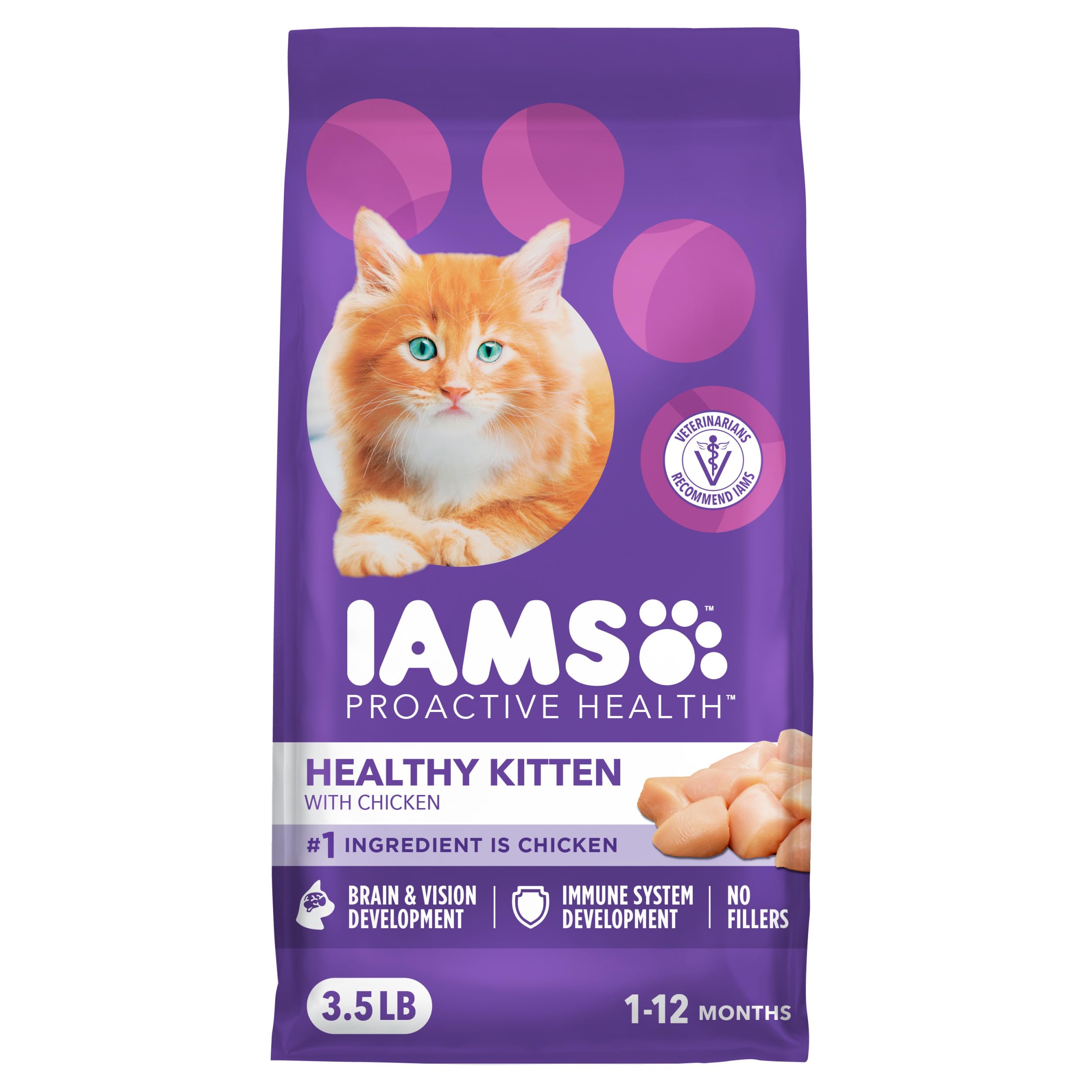
IAMS Proactive Health Kitten

IAMS Proactive Health Kitten

Budget iron stomach

Our Score 9.6/10
Check Price

Worth Noting

  • Digestive upset can occur in some kittens, causing diarrhea or vomiting.
DHA
Yes (Omega-3)
Grain-Free
No
Kibble Size
Small kibble
Protein Source
Real chicken first
Read the full review

IAMS Proactive Health Kitten delivers real chicken as the first ingredient and small kibble for growing kittens, all at a cost that suits tight budgets. However, the tradeoff is real: some kittens experience loose stools or vomiting, and picky eaters may turn up their noses. This works best for owners with kittens that have iron stomachs and aren't fussy about food.

Bottom line: A cost-effective option if your kitten has a robust digestive system and isn't picky; for sensitive stomachs, look to the top pick with better digestive track record.

6

Royal Canin Kitten Dry

Royal Canin Kitten Dry

Sensitive digestion

Our Score 9.6/10
Check Price

Worth Noting

  • High cost per pound can be a concern for those not needing a specialized diet.
DHA
Yes
Grain-Free
No
Kibble Size
Unique small texture
Protein Source
High-quality proteins
Read the full review

The Royal Canin Kitten Dry features a specially shaped kibble that helps kittens chew thoroughly and supports sensitive digestion. However, its high cost per pound makes it hard to recommend for general use; it is best reserved for kittens with digestive issues or breed-specific recommendations from a vet.

Bottom line: Buy this only if your kitten has a sensitive stomach or your vet recommends a breed-specific formula.

7

Fancy Feast Wet Kitten Variety

Fancy Feast Wet Kitten Variety

Variety pack

Our Score 9.4/10
Check Price

Worth Noting

  • Occasional spoiled or damaged cans may arrive.
  • Strong fishy odor can be off-putting for owners in small spaces.
DHA
Not listed
Grain-Free
Yes
Kibble Size
Protein Source
Chicken, turkey, fish
Read the full review

A four-flavor wet food pack at a mid-range price that covers the basics for most kittens. While the top pick Purina ONE delivers consistent dry kibble, this Fancy Feast variety offers moisture and rotation-friendly flavors. It suits owners who want an affordable wet food option and have kittens that enjoy pate textures. Keep in mind that the strong fishy odor may bother some owners, a few kittens may refuse certain proteins, and occasional cans arrive damaged or spoiled.

Keep the feeding area ventilated — the aroma is strong but most kittens ignore it.

Bottom line: For owners who want an affordable wet food rotation and have kittens that don't mind fishy smells, this pack delivers variety. Inspect cans before serving.

8

Blue Buffalo Baby Blue

Blue Buffalo Baby Blue

Weaning kittens

Our Score 9.4/10
Check Price

Worth Noting

  • The 2-pound bag may be costlier per pound than larger bags, making it less economical if used beyond weaning.
DHA
Yes
Grain-Free
No
Kibble Size
Very small for weaning
Protein Source
Real chicken first
Read the full review

This formula targets the brief window when kittens transition from milk to solids. The tiny kibble and clean ingredient list (no by-products or artificial additives) suit delicate digestive systems, but the 2-pound bag carries a higher cost per pound than larger options. That makes it a precise tool for the weaning phase rather than a cost-effective long-term diet.

Bottom line: Best reserved for the 6-10 week weaning period where its small kibble and gentle recipe match the need, not as a primary diet beyond that.

9

Sheba Perfect Portions Wet

Sheba Perfect Portions Wet

Portion control

Our Score 9.4/10
Check Price

Worth Noting

  • Strong odor may be off-putting in small living spaces.
DHA
Yes
Grain-Free
Yes
Kibble Size
Protein Source
Chicken, Salmon
Read the full review

The twin-pack trays deliver waste-free portion control and a pate texture kittens enjoy. However, the strong odor, difficult-to-open packaging, and occasional quality issues, plus a higher cost per serving than Fancy Feast's comparable option, make it a secondary choice for most kitten owners.

Bottom line: A reasonable pick if portion control is the top priority and you can tolerate the smell and packaging effort, but most owners will find better value elsewhere.

10

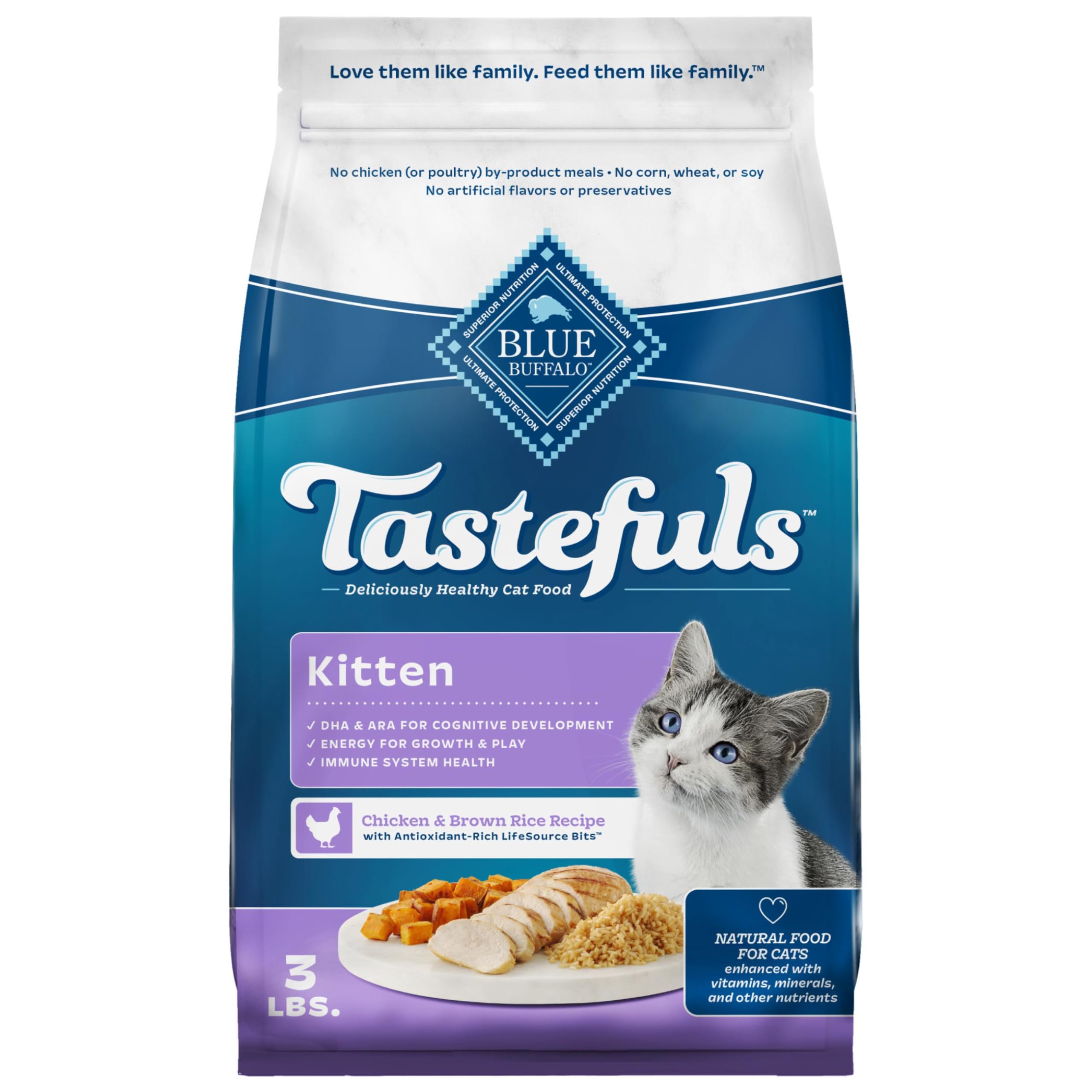
Blue Buffalo Tastefuls Kitten

Blue Buffalo Tastefuls Kitten

Natural ingredients

Our Score 9.4/10
Check Price

Worth Noting

  • Digestive upset can occur in some kittens.
DHA
Yes
Grain-Free
No
Kibble Size
Small kibble
Protein Source
Real chicken first
Read the full review

This grain-inclusive recipe uses real chicken and avoids artificial additives, appealing to owners seeking a natural diet. However, some kittens experience digestive upset, so it's better suited for those with hardy stomachs rather than sensitive ones.

Bottom line: A reasonable choice for owners who prioritize ingredient quality and whose kittens tolerate the formula well.

How to Choose

Protein Content and Source

Kittens need a high-protein diet (30-40% dry matter) to support rapid growth. The protein source matters more than the percentage – real meat or poultry listed as the first ingredient indicates a higher biological value than unnamed by-products or plant proteins.

Chicken, turkey, and fish are common first ingredients. You pay for ingredient quality: budget foods often use more fillers like corn and soy, which reduce digestibility and increase stool volume.

DHA for Brain and Vision

DHA (docosahexaenoic acid) is an omega-3 fatty acid essential for brain and eye development during the first year. Kittens cannot synthesize it efficiently, so it must come from diet. Fish oil or algal oil are the primary sources – check the guaranteed analysis or ingredient list.

Most premium and mid-range kitten foods include added DHA. Budget options sometimes omit it, though brands like Meow Mix and Purina ONE still add DHA at a lower price point.

Kibble Size and Shape

Small kibble is crucial for kittens under 12 weeks. Their tiny mouths and developing teeth struggle with adult-sized pieces. Look for pellets 0.5 cm or smaller, or specially shaped kibble like Royal Canin's unique texture that encourages chewing.

Larger kibble can cause gagging or disinterest in young kittens. Blue Buffalo Baby Blue and Purina ONE are examples of appropriately sized dry food for early stages. For weaning, even smaller bits or a wet food texture may be necessary.

Digestibility and Stool Quality

Digestibility varies significantly between formulas. High-quality proteins and prebiotics (like in IAMS and Hill's) promote firm stools; cheaper fillers often lead to loose stools or gas. A food that causes frequent diarrhea or vomiting is not suitable, regardless of price.

Transition gradually over 7-10 days to avoid upset. If your kitten still has issues after a week, consider a different protein source or a limited-ingredient formula. Consistent stool quality is the best indicator of digestive compatibility.

Grain-Free vs. Grain-Inclusive

Grain-free formulas replace grains with legumes or potatoes, which provide carbohydrates but offer no proven health advantage for the majority of kittens. Grain-free is not medically necessary unless your kitten has a confirmed grain allergy, which is rare.

The real trade-off is cost: grain-free kibble is often 20-40% more expensive. For healthy kittens, a grain-inclusive diet with high-quality animal protein is perfectly adequate and more affordable.

Frequently Asked Questions