Food & Treats

5 Best Kitten Milk Replacer of 2026: Match Your Kitten's Needs

Which kitten milk replacer actually supports healthy growth without digestive upset? Find the right formula for orphaned or supplementing kittens.

Choosing a milk replacer for kittens often comes down to a trade-off between convenience and cost. Powders require mixing but stretch further, while liquids are ready to serve but expire quickly and cost more per feeding.

Many buyers discover too late that some formulas cause diarrhea or that clumpy powder clogs bottle nipples. This guide cuts through the confusion by matching five top options to your specific situation — whether you're fostering a litter or feeding a single orphan.

Every product here has been vetted by real-world use. The right choice depends on your budget, how many kittens you're feeding, and whether convenience or long-term value matters more.

1

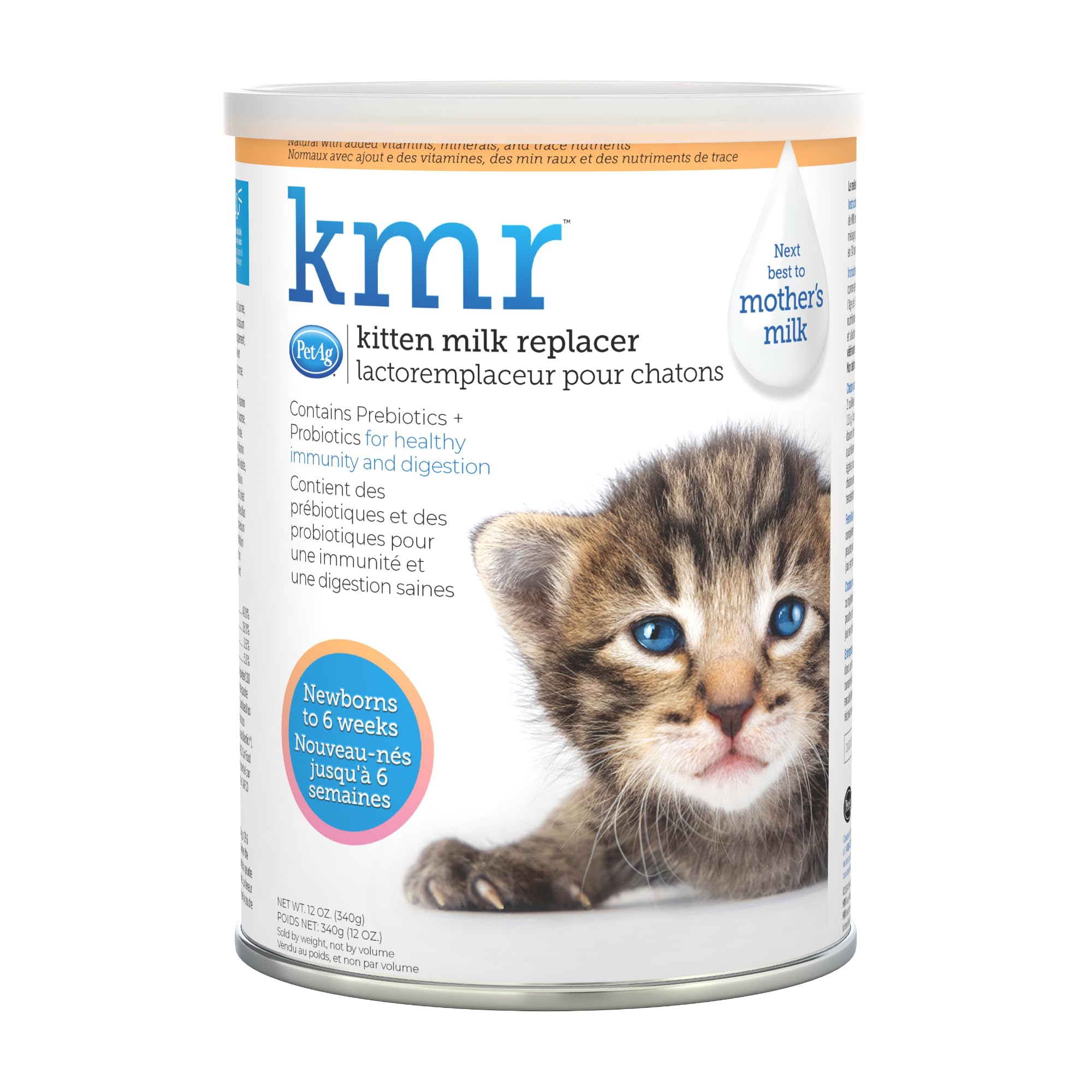
PetAg KMR Powder 12oz

Top Pick
PetAg KMR Powder 12oz

Rescue, orphaned neonates

Our Score 9.6/10
Check Price

Worth Noting

  • Contains milk proteins
Form
Powder
Mixing
Requires whisking
Additives
Prebiotics, Probiotics, Vitamins
Read the full review

PetAg KMR Powder is a veterinarian-recommended formula for orphaned kittens from newborn to six weeks old. It contains prebiotics and probiotics to support digestive health, plus essential vitamins. The 12oz can yields roughly 96 fluid ounces of prepared formula, offering good value for foster homes and rescue groups. When whisked thoroughly, the powder dissolves into a smooth, palatable liquid that kittens accept readily.

The balanced nutrition supports healthy growth and steady weight gain during critical early weeks. Prebiotics help establish a healthy gut microbiome, especially beneficial for stressed or immunocompromised kittens. The formula mimics queen's milk closely with a balanced ratio of protein, fat, and carbohydrates. This formula has been a staple in rescue work for decades, earning a strong reputation among caregivers.

This powder is best suited for foster and rescue caregivers managing multiple kittens, or owners of orphaned neonates who need a budget-friendly option. It contains milk proteins, so kittens with extreme dairy sensitivity may require an alternative. Also, the powder requires careful mixing to avoid clumps that can clog bottle nipples — those who prefer ready-to-feed liquids may find the extra effort inconvenient.

Bottom line: For orphaned kittens needing a complete, balanced formula, this powder is the rescue community's go-to choice — just budget time for thorough mixing.

2

PetAg KMR Liquid 4-Pack

PetAg KMR Liquid 4-Pack

Short-term, emergencies

Our Score 9.4/10
Check Price

Worth Noting

  • Price per feeding is significantly higher than powdered alternatives.
  • Opened cans must be used within 72 hours, leading to possible waste.
Form
Liquid
Mixing
No mixing
Additives
Prebiotics, Probiotics, Taurine
Read the full review

PetAg's KMR liquid delivers pre-mixed formula in convenient 11oz cans — no measuring or whisking required, which is a significant advantage when a kitten needs immediate feeding. The nutrition matches the powdered version, with added prebiotics and probiotics.

This liquid is best suited for short-term or emergency use — when traveling, during the transition from mother's milk, or when a powdered mix isn't available. For routine feeding of a single kitten, the convenience may still be worthwhile, but it's less economical for multiple kittens.

Bottom line: Keep a pack on hand for emergencies, but for routine feeding the powdered version offers better value.

3

PetAg PetLac Liquid 32oz

PetAg PetLac Liquid 32oz

Multiple kittens, foster

Our Score 9.2/10
Check Price

Worth Noting

  • Opened carton must be finished within 14 days; leftover formula may go to waste in smaller households.
  • Per-feeding cost is higher than powdered alternatives, which may matter for tight budgets.
Form
Liquid
Mixing
No mixing
Additives
Soy oil, Coconut oil
Read the full review

PetLac Liquid delivers the best value in ready-to-feed kitten formula, with a per-ounce price well below other liquids. The 32oz carton is easy to pour and reseal, and kittens take to it quickly — high palatability reduces transition fuss. This is the liquid to grab when you're feeding multiple kittens and want to skip mixing powder.

Best for foster caregivers with several kittens who need a convenient, cost-effective milk replacer. Note that the formula does not include added probiotics, and an opened carton must be used within 14 days — fine for a multi-kitten household, but a single kitten may waste some before it expires.

Mark the opening date on the carton — it keeps 14 days in the fridge, so track it to avoid surprises.

Bottom line: A smart pick for anyone bottle-feeding multiple kittens who wants the convenience of liquid without paying a premium.

4

Nutri-Vet Powder 12oz

Nutri-Vet Powder 12oz

Budget-conscious buyers

Our Score 9.2/10
Check Price

Worth Noting

  • Possible digestive sensitivity in some kittens
  • Occasional clumping can still happen if water temperature or mixing technique is off
Form
Powder
Mixing
Easy mixing
Additives
Probiotics (Opti-Gut)
Read the full review

Nutri-Vet mixes more smoothly than the top pick’s powder — less clumping means fewer clogged nipples during feeding. The included probiotics support healthy digestion for many kittens, and the price per serving undercuts comparable formulas without cutting nutrition. For rescue groups stretching limited budgets, this is a practical choice.

This milk replacer works well for kittens without known milk sensitivities. However, some kittens may develop diarrhea, so gradual introduction is recommended. If your kitten has a history of digestive upset, the top pick’s formula is a safer bet.

Mix with warm water and stir thoroughly; start with small amounts to check tolerance.

Bottom line: A solid budget option for healthy kittens and rescue groups — just monitor for stomach sensitivity and introduce slowly.

5

Beaphar Lactol Powder 250g

Beaphar Lactol Powder 250g

Brain & eye health

Our Score 9.2/10
Check Price

Worth Noting

  • Real-world performance and digestive tolerance are less documented than with more widely reviewed alternatives
Form
Powder
Mixing
Requires mixing
Additives
DHA, Taurine, Vitamins, Minerals
Read the full review

Beaphar Lactol includes DHA and taurine in its formula, ingredients that support brain and eye development — a clear differentiator among kitten milk replacers. The base uses whole milk and slow-dried whey, which the manufacturer states aids digestion. However, real-world performance is less documented compared to alternatives with more extensive user feedback.

This milk replacer suits buyers who specifically want DHA and taurine in their kitten's diet and have had positive experiences with Beaphar in the past. It covers a broad range of life stages from newborn to convalescent cats, but those who rely heavily on community reviews may find the limited feedback a concern.

Bottom line: Best for buyers who prioritize DHA and taurine and have prior positive Beaphar experience.

How to Choose

Powder vs. Liquid

Powdered formulas cost significantly less per feeding and store for months in a cool, dry place. They require mixing with warm water and thorough whisking to avoid clumps that can clog bottle nipples.

Liquids are ready to serve — just warm and pour. But opened cans expire in as little as 72 hours for KMR liquid or two weeks for PetLac, making them practical only for short-term or multiple-kitten households.

Additives That Matter

Probiotics and prebiotics support gut health and reduce the risk of diarrhea during the transition from mother's milk. PetAg KMR includes both; Nutri-Vet uses Opti-Gut probiotics.

DHA and taurine are added in Beaphar Lactol for brain and eye development. If your kitten is already on a complete diet, these extras are less critical, but for orphaned newborns, every nutrient counts.

Digestibility and Stool Quality

Some kittens react to certain protein sources or fat blends. Formulas with probiotics help, but individual sensitivities remain. PetAg PetLac uses simpler oils (soy, coconut) and may be gentler for sensitive stomachs.

If diarrhea occurs, slow the transition over 3-4 days, mixing old and new formula. Persistent loose stool after a week suggests the formula isn't a good fit for that kitten.

Ease of Mixing

Powders vary in mixability. Nutri-Vet dissolves more readily than PetAg KMR, which tends to clump if not whisked vigorously. Use a dedicated bottle shaker or a fork to break up lumps.

Liquids eliminate mixing entirely but require refrigeration and have short open-shelf lives. For single-kitten households, opened liquid often goes to waste.

Shelf Life After Opening

Powdered formulas stay fresh for months when sealed, but once mixed, the prepared formula must be used within 24 hours and refrigerated. Liquids have defined expiration windows: 72 hours for KMR liquid, 14 days for PetLac.

Foster homes feeding multiple kittens benefit from liquids that get used quickly. Single-kitten owners should stick to powder to avoid waste.

Frequently Asked Questions