Health & Wellness

11 Best Kidney Supplement for Cats 2026: Match Your Cat's Specific Kidney Needs

Confused between cranberry UTI treats and CKD amino acid formulas? This guide helps you choose the right kidney supplement for your cat's stage.

Most kidney supplements for cats claim to support urinary and kidney health, but the reality is split between cranberry-based formulas targeting UTIs and specialized amino acid blends for chronic kidney disease. Many owners end up buying the wrong type for their cat's actual condition.

This guide breaks down the difference and matches each product to the right stage - whether your cat needs daily UTI prevention, advanced CKD support, or a specific electrolyte boost. The key is knowing what your cat's lab results actually need.

The best choice isn't the one with the most reviews or the cheapest price; it's the one whose active ingredients align with your veterinarian's diagnosis.

1

AminAvast Kidney Capsules

Top Pick
AminAvast Kidney Capsules

CKD cats

Our Score 9.2/10
Check Price

Worth Noting

  • Some cats may experience temporary vomiting or diarrhea when first starting the supplement.
  • Upfront cost is higher than cranberry-based kidney products.
Form
Capsule (sprinkle powder)
Palatability
Good
Portion Size
60 capsules
Clinical Backing
NASC certified, vet-advocated
Read the full review

AminAvast uses a patented amino acid and peptide blend (AB070597) that targets chronic kidney disease at the cellular level. Unlike cranberry-based products aimed at UTI symptoms, this formula is designed for cats with diagnosed CKD — and the feedback reflects that. Owners report improved energy, better coat quality, and weight stabilization in cats that were declining.

Administration is straightforward: open the capsule and sprinkle the powder over wet food. The dose is small enough that most cats don't notice it. For cats that have lost their appetite — a common problem in CKD — many begin eating more consistently within a couple of weeks. The 60-capsule bottle covers a full year for a cat, which keeps the monthly cost reasonable despite the higher upfront price.

This supplement works best for cats already diagnosed with stage 2 or stage 3 chronic kidney disease, where preserving kidney function and stimulating appetite are the priorities. It is less suitable for households on a tight budget, as cranberry alternatives cost less, and some cats experience temporary digestive upset (vomiting or loose stools) when starting the powder. That reaction usually resolves within a few days, but it's worth monitoring during the first week.

Sprinkle half a capsule into food for the first week to ease your cat's digestion.

Bottom line: For CKD cats needing targeted amino acid support, this supplement delivers clinically backed results — worth the mid-range investment if your cat can tolerate the initial transition.

2

Rocco & Roxie Urinary Chews

Rocco & Roxie Urinary Chews

Picky cats

Our Score 9.2/10
Check Price

Worth Noting

  • Some finicky cats still refuse the chews despite overall palatability
  • Chicken flavor may not suit cats with poultry allergies or sensitivities
Form
Crunchy soft chew
Palatability
Excellent
Portion Size
60 chews
Clinical Backing
Vet-recommended
Read the full review

Cats consistently accept these chicken-flavored chews, making daily administration effortless — a contrast to kidney disease formulas that often face palatability issues. The recipe uses cranberry extract, D-mannose, and tart cherry with no artificial fillers, and is vet-recommended for urinary support.

This supplement suits owners of picky cats who need a tasty way to maintain urinary health, especially for preventing UTIs and supporting senior cats. However, it is not designed for cats with advanced chronic kidney disease, which requires amino acid or phosphate binder formulas. Additionally, a subset of finicky cats may still refuse the chews, and the chicken flavor can cause issues for cats with poultry allergies.

Check your cat's tolerance to chicken before regular use, especially if they have a known poultry sensitivity.

Bottom line: A budget-friendly daily option for urinary health maintenance that most cats will eat willingly — but not a substitute for CKD-specific treatments.

3

Standard Process Renal

Standard Process Renal

Whole-food users

Our Score 9.2/10
Check Price

Worth Noting

  • Higher cost per tablet compared to larger-count alternatives.
Form
Tablets (can be crushed)
Palatability
Good
Portion Size
90 tablets
Clinical Backing
Trusted 95-year brand
Read the full review

Standard Process leverages its 95-year experience in whole-food supplementation to create a feline renal support formula that owners report stabilizes kidney values and reduces vomiting in cats with CKD. The tablets are palatable enough that many cats eat them willingly, a notable advantage for finicky eaters. Unlike the top pick's patented amino acid approach, this supplement relies on whole-food ingredients - herbs and nutrients - which some owners specifically seek out.

This supplement fits owners who already trust Standard Process for their own health and want a consistent whole-food philosophy for their cat. The higher per-tablet cost compared to larger-count bottles means it prioritizes ingredient quality over per-dose economy. Cats that refuse tablets can still receive the supplement by crushing them into food, a useful workaround for picky pets.

Bottom line: A good option for owners who value whole-food ingredients and have cats that accept tablets, but the higher per-dose cost makes the top pick a more economical choice for many.

4

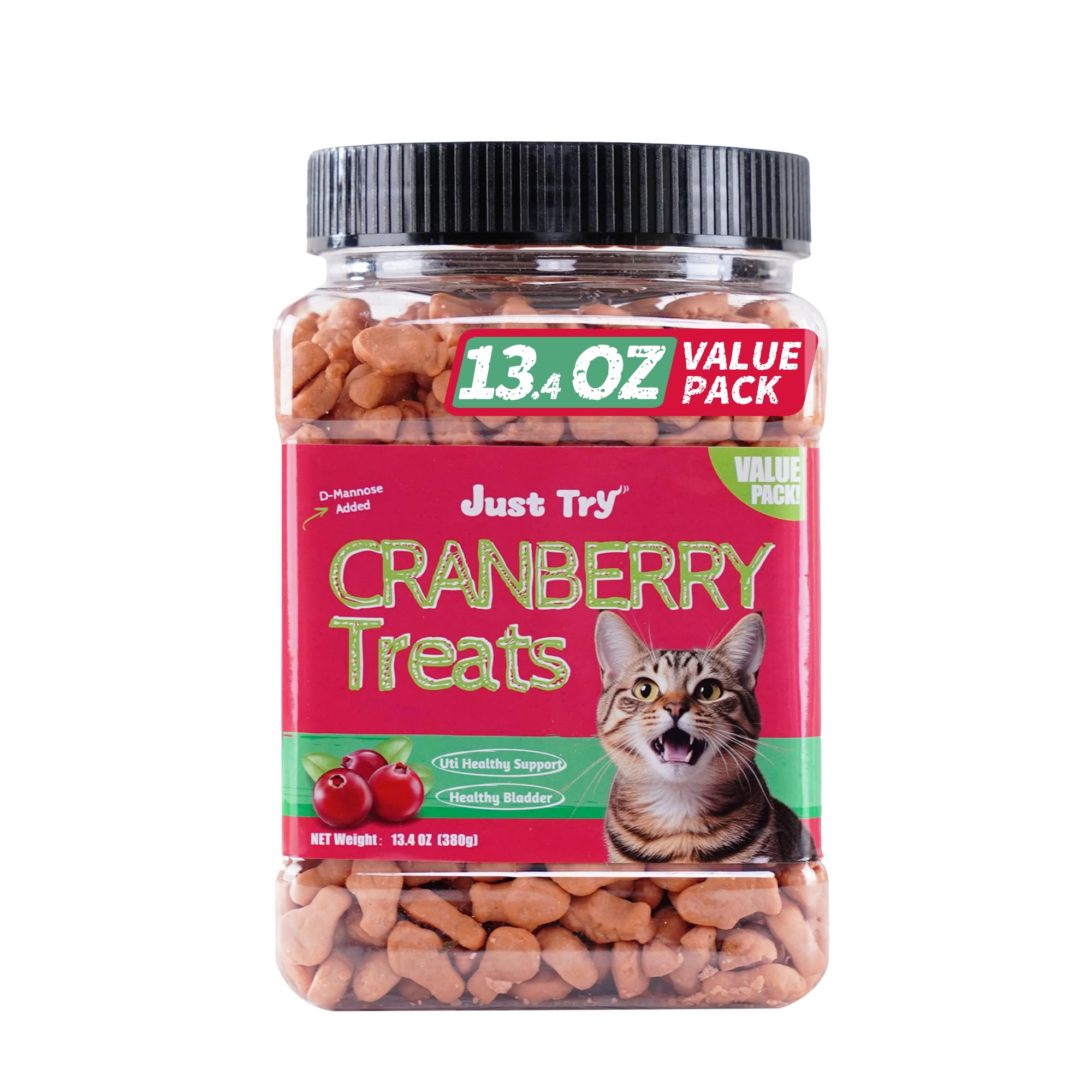
Just Try Urinary Treats

Just Try Urinary Treats

Budget bulk treats

Our Score 9.2/10
Check Price

Worth Noting

  • Some cats completely refuse the treats, so acceptance is not universal.
  • Feeding the recommended 15 treats per day raises the daily cost compared to other options.
Form
Crunchy treats
Palatability
Excellent
Portion Size
13.4 oz jar
Clinical Backing
Read the full review

These salmon-flavored crunchy treats support urinary tract health with cranberry and D-mannose, but they are not a substitute for medical-grade kidney support formulas used in chronic kidney disease. The 13.4 oz jar offers good value for multi-cat homes, though the recommended 15 treats per day can add up, and some cats will turn up their noses at the salmon flavor. Palatability is less consistent than top competitors, making it a better fit for households where at least one cat enjoys salmon.

Bottom line: Best for multi-cat households where cats already enjoy salmon flavor and you need a budget-friendly urinary treat; not suitable for cats with seafood sensitivities or those needing medical-grade kidney support.

5

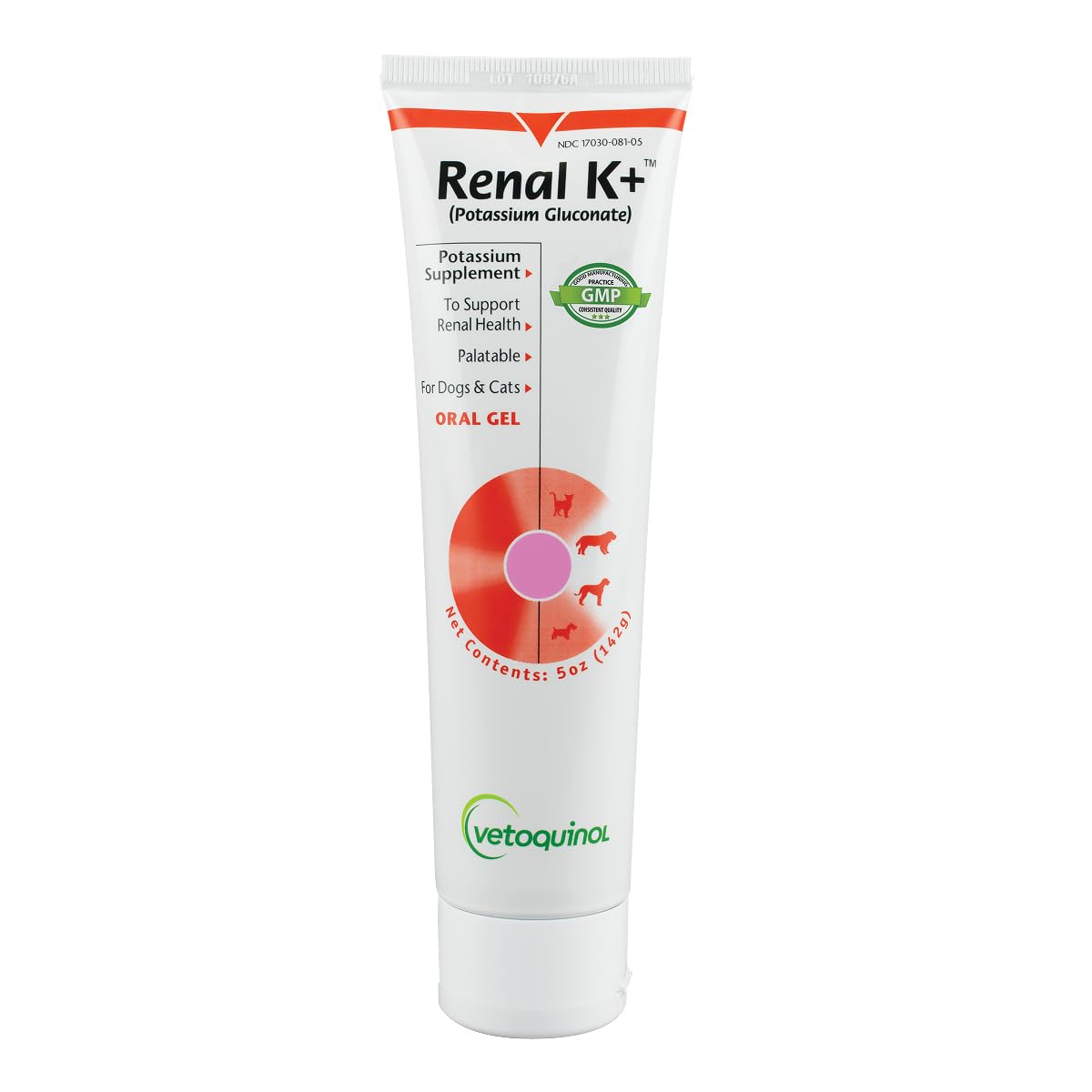
Vetoquinol Renal K Gel

Vetoquinol Renal K Gel

Potassium deficiency cats

Our Score 9.0/10
Check Price

Worth Noting

  • Cats may reject the maple flavor and scent, creating a battle at mealtime.
  • Gel consistency can be sticky and messy when measuring precise doses.
Form
Gel
Palatability
Fair
Portion Size
5 oz
Clinical Backing
Vet-recommended for hypokalemia
Read the full review

Vetoquinol Renal K normalizes potassium levels in hypokalemic cats within weeks, a result many owners describe as life-saving for senior pets. Unlike general kidney supplements, this gel targets a specific electrolyte deficiency — it is not a broad renal support product.

This gel suits cats with confirmed hypokalemia or potassium-wasting chronic kidney disease, especially those willing to accept a maple-flavored additive. Owners whose cats refuse strongly flavored additives or are exceptionally picky may find administration difficult, as the maple scent and taste can be off-putting.

Mix the gel thoroughly into wet food to help mask the flavor and ensure even dosing.

Bottom line: If your cat has been diagnosed with hypokalemia and tolerates maple flavor, this gel provides reliable potassium support at a mid-range price. For picky cats, look for a tasteless alternative.

6

Nutramax NARAQUIN Binder

Nutramax NARAQUIN Binder

Phosphate binder

Our Score 9.0/10
Check Price

Worth Noting

  • Very strong, unpleasant odor that can cause cats to reject food mixed with the powder.
  • Powder does not dissolve in water and leaves visible residue, requiring careful mixing with wet food.
Form
Capsule (sprinkle powder)
Palatability
Poor
Portion Size
60 capsules
Clinical Backing
Vet-recommended phosphate binder
Read the full review

Nutramax NARAQUIN is a phosphate binder formulated for cats with advanced chronic kidney disease. It combines ferric citrate, calcium acetate, and chitosan to reduce phosphate absorption, alongside omega-3s for renal support. The powder inside each capsule is designed to be sprinkled over food, making it a direct alternative to pricier veterinary binders. For owners managing stage 2 or later CKD, this supplement can help bring lab values back toward target ranges when the cat actually eats it.

Bottom line: This binder works well for owners whose cats tolerate the smell and who are willing to mask it with strong-smelling wet food. For any cat that is a picky eater or rejects additives, the palatability hurdle makes it a risky choice.

7

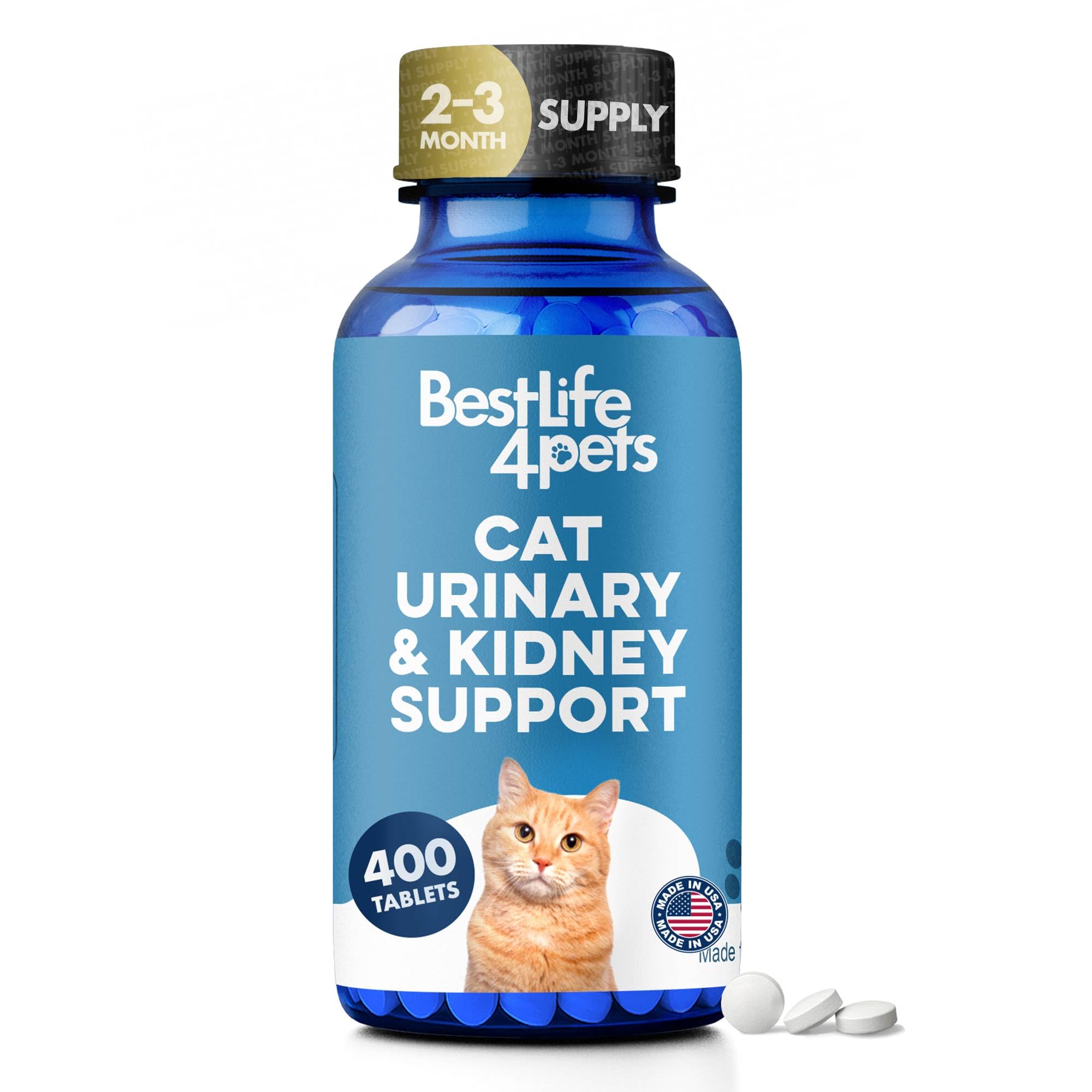
BestLife4Pets Tiny Pills

BestLife4Pets Tiny Pills

Hard-to-medicate cats

Our Score 8.8/10
Check Price

Worth Noting

  • Per-bottle cost has risen notably, making long-term value less predictable
  • Finicky cats may still detect and refuse the pills despite the small size
Form
Small pellets (pills)
Palatability
Excellent
Portion Size
400 tiny pills
Clinical Backing
Homeopathic
Read the full review

The 400-count bottle of near-invisible tiny pellets makes it easy to sneak supplement into a cat's wet food without detection by most cats. Users report reduced urinary straining and fewer crystal issues, making it a practical option for ongoing UTI management. A minority of finicky eaters may still notice the pills and refuse the meal, so a backup administration method can help. Recent price increases have also made the per-bottle cost less appealing than it once was. Unlike treat-based alternatives, these pellets require a bit more stealth but offer a larger supply per price point.

This supplement works best for owners who can reliably mix pills into food and need a large quantity for multi-cat households or extended kidney support. It is less suitable for cats that reject any foreign additives or for buyers seeking a phosphate binder or amino acid formula for chronic kidney disease.

If your cat is finicky, try crushing the pill into a small amount of strong-smelling wet food like tuna juice to improve acceptance.

Bottom line: For owners who can manage pill-sneaking and want a budget-friendly long supply for UTI support, this bottle delivers. But those with rising price sensitivity or a cat that rejects food additives may need a different approach.

8

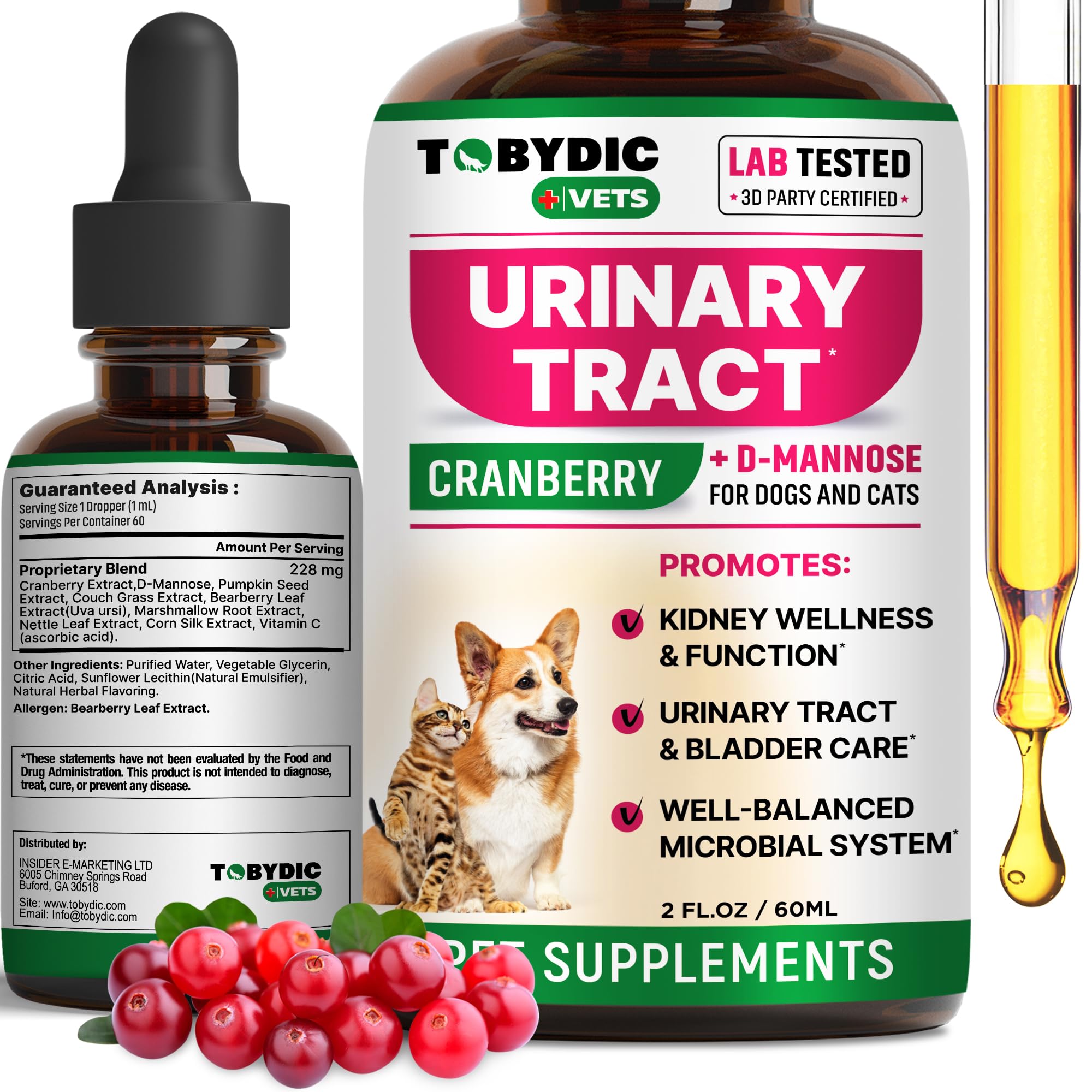
TOBYDIC UTI Drops

TOBYDIC UTI Drops

Budget liquid UTI

Our Score 8.8/10
Check Price

Worth Noting

  • Bottle contents occasionally arrive discolored (yellow/brown) instead of clear, raising spoilage concerns.
  • Some cats experience vomiting or reduced appetite after use.
Form
Liquid drops
Palatability
Excellent
Portion Size
2 fl oz
Clinical Backing
Read the full review

This liquid UTI remedy works for both cats and dogs, with a tasteless formula that most pets accept readily. However, it is marketed as a kidney and renal support supplement, which is misleading — its active ingredients (cranberry, D-mannose) target urinary tract infections, not chronic kidney disease. Bottle discoloration (yellow/brown instead of clear) has been noted in some batches, raising quality concerns. Additionally, gastrointestinal upset like vomiting may occur in sensitive cats. For owners specifically seeking a kidney function supplement, this is not the right product — consider amino acid formulas instead.

Bottom line: A low-cost option for multi-pet households needing a UTI remedy, provided you accept inconsistent bottle appearance and possible GI sensitivity in some cats.

9

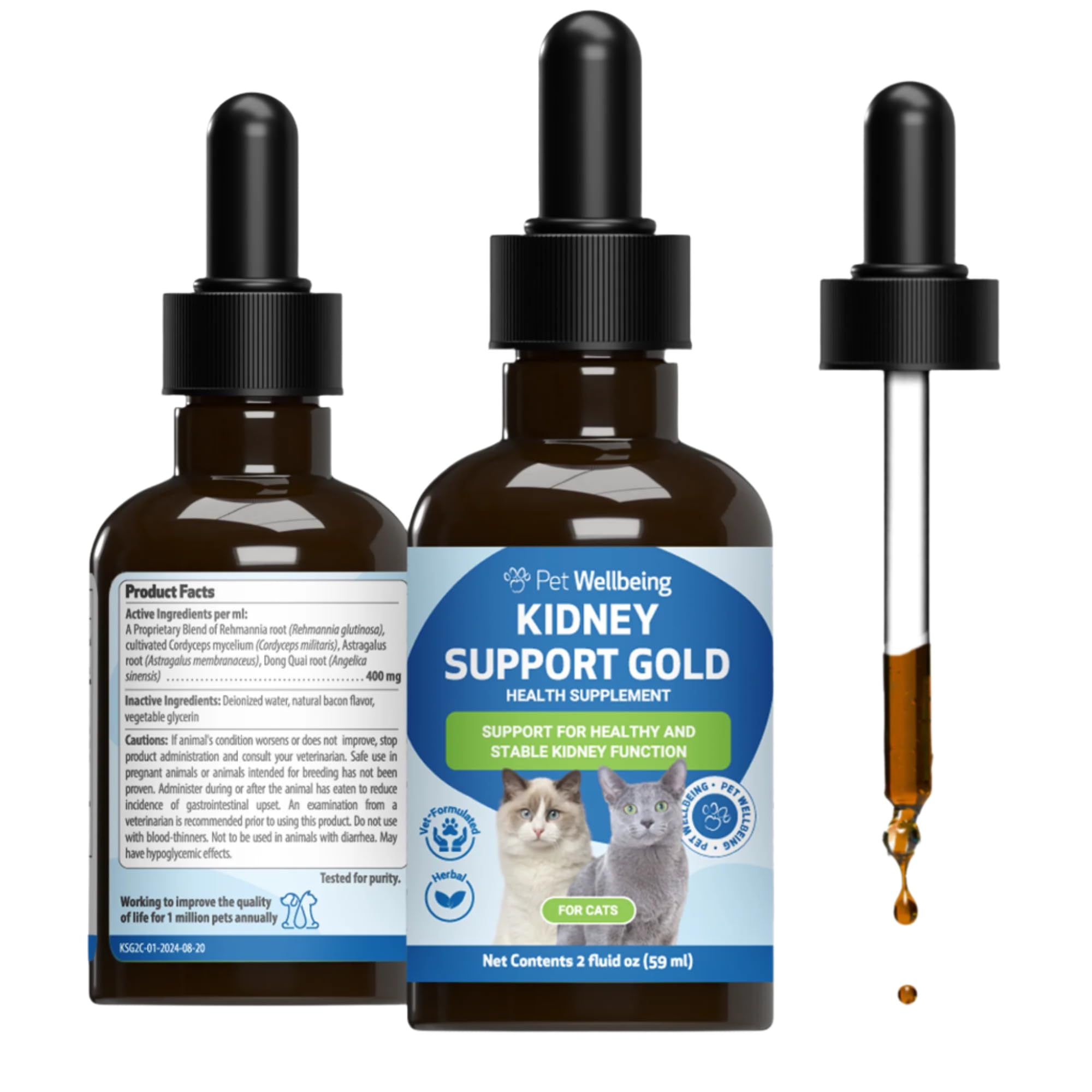
Pet Wellbeing Kidney Gold

Pet Wellbeing Kidney Gold

Holistic kidney support

Our Score 8.6/10
Check Price

Worth Noting

  • Some cats may develop digestive upset, including vomiting or diarrhea.
  • Bacon flavor can lead to refusal, making administration difficult.
Form
Liquid drops
Palatability
Fair
Portion Size
2 fl oz
Clinical Backing
NASC certified, vet-formulated
Read the full review

Pet Wellbeing Kidney Support Gold delivers a veterinarian-formulated herbal blend that owners report supports kidney function and boosts energy. It has attracted a large following among cat owners who prefer natural remedies. Ingredients like rehmannia and dong quai are traditionally used to promote detox and hydration.

This supplement suits owners committed to a holistic approach, particularly those whose cats have not reacted poorly to herbal supplements in the past. Owners also note that it can stimulate appetite in cats who have lost interest in food, helping maintain weight. However, some cats experience digestive upset like vomiting or diarrhea, and the bacon flavor may not appeal to all cats — mixing with a strong-smelling wet food can help. Starting with a small dose and monitoring for reactions is wise.

Mix the liquid with a strongly flavored wet food or treat to improve palatability.

Bottom line: A viable holistic option for owners who have had success with herbal remedies and whose cats accept bacon flavor, but the risk of GI sensitivity means it is not for every kidney-support situation.

10

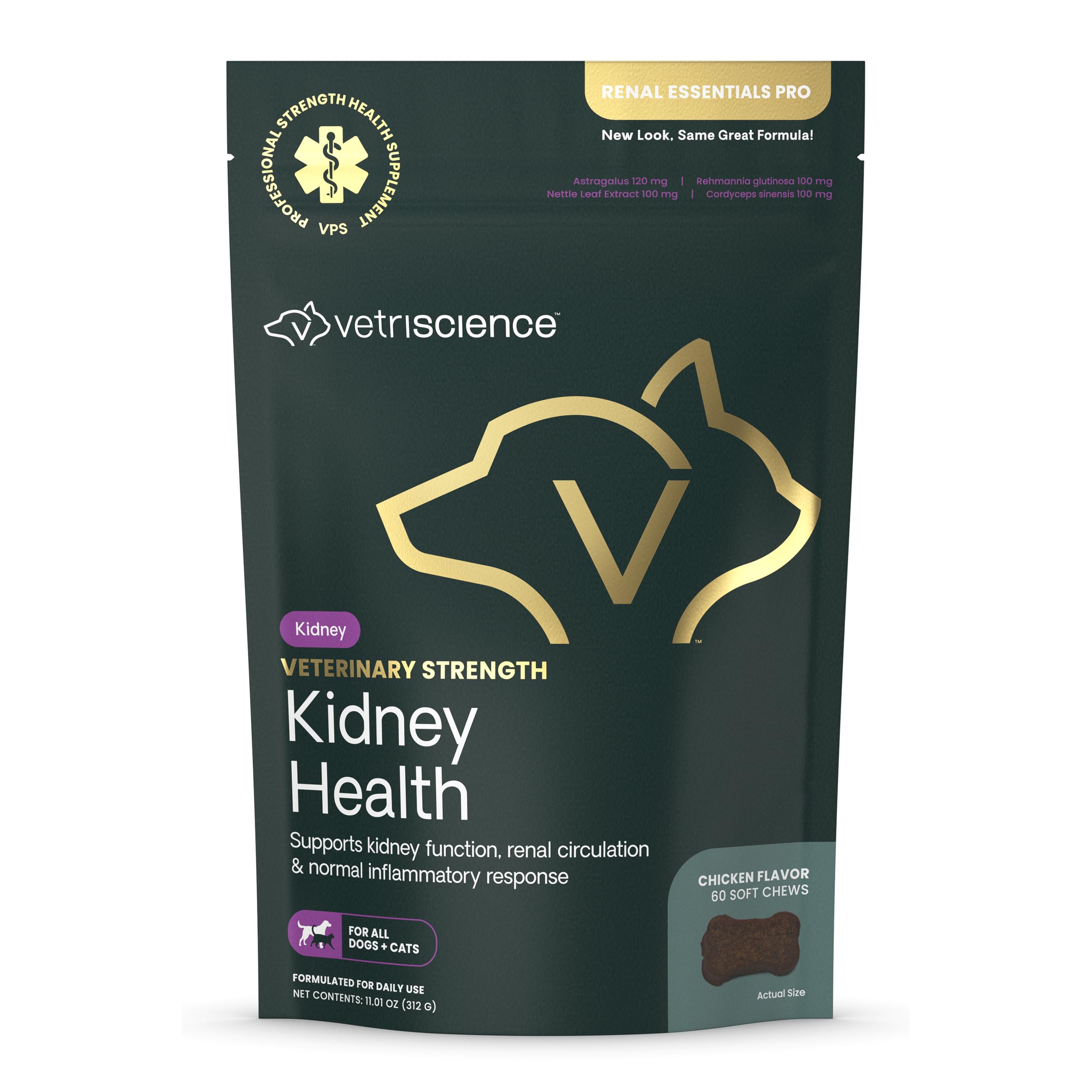
Vetriscience Kidney Chews

Vetriscience Kidney Chews

Premium renal support

Our Score 8.6/10
Check Price

Worth Noting

  • Premium-priced for a 60-count supply
  • Texture varies between batches, can be dry or hard, and some cats reject the flavor
Form
Soft chew
Palatability
Poor
Portion Size
60 chews
Clinical Backing
Veterinary strength claim
Read the full review

The Vetriscience Kidney Chews deliver a complete renal support blend with B vitamins, herbs, and antioxidants, offering a convenient all-in-one option for owners following a vet-recommended kidney diet. However, the soft chews can arrive dry or hard instead of the intended texture, and the chicken liver flavor does not appeal to all cats — some refuse them entirely. At a premium price, the inconsistency makes this a risky choice for cats with picky palates or dental sensitivities.

Bottom line: This supplement fits best for owners who have already confirmed their cat accepts the chew and are willing to pay a premium for a complete renal formula despite batch variation.

11

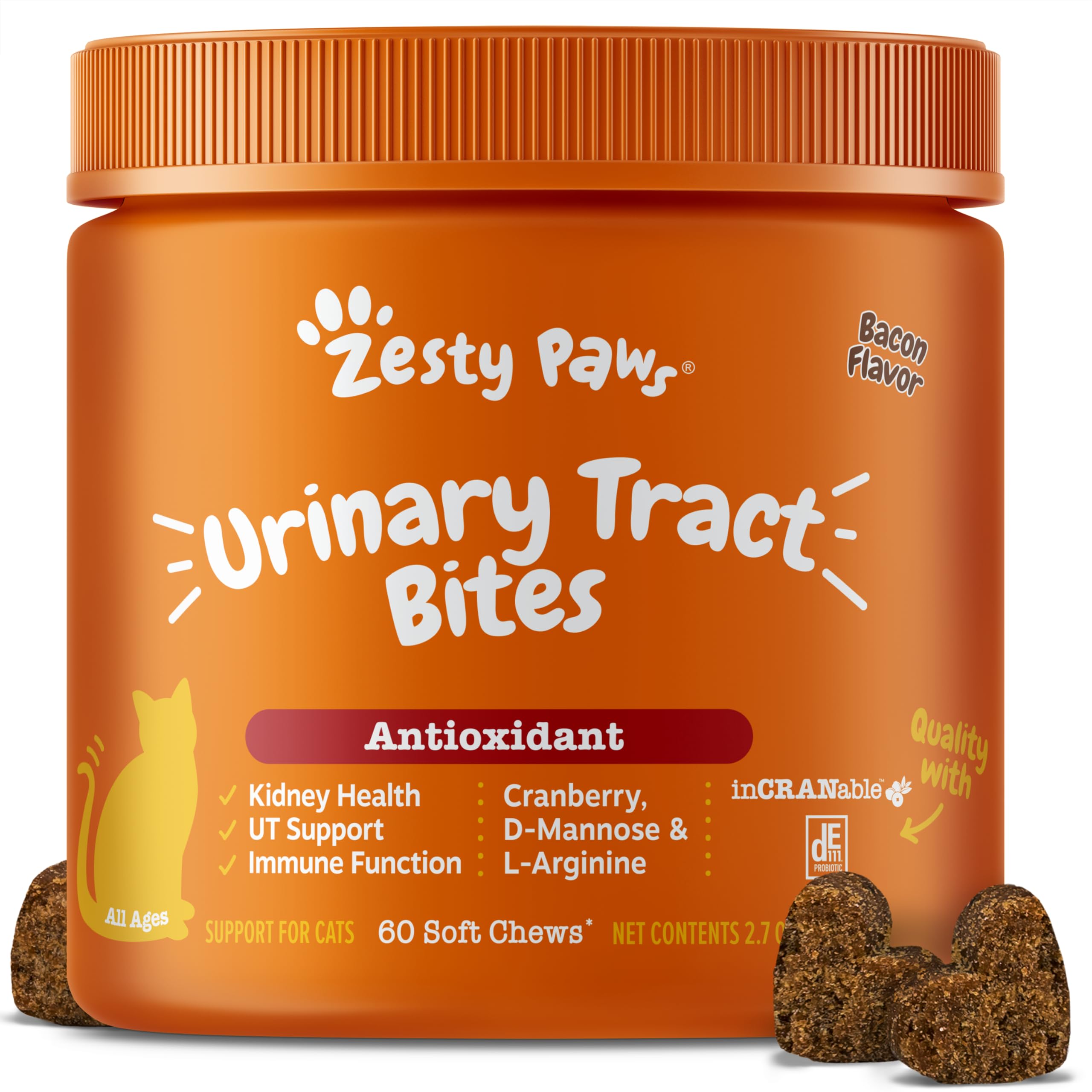
Zesty Paws Urinary Bites

Zesty Paws Urinary Bites

Probiotic UTI prevention

Our Score 8.4/10
Check Price

Worth Noting

  • May cause vomiting in cats with sensitive stomachs
Form
Soft chew
Palatability
Poor
Portion Size
60 chews
Clinical Backing
Read the full review

The Zesty Paws Urinary Bites pack cranberry, D-mannose, and DE111 probiotics into a soft bacon-flavored chew intended for UTI prevention rather than kidney disease treatment. The strong bacon scent and taste cause many cats to reject the chews, and some may vomit after eating them. This makes the product best suited for cats that already enjoy bacon treats and have no history of GI sensitivity.

Bottom line: Works for a narrow group of cats that love bacon and tolerate the chew well, but the palatability barrier keeps it from being a go-to for most owners.

How to Choose

Form: Liquid, Chew, or Capsule?

Liquids are easiest to mix into wet food but their flavor often triggers rejection - a bacon-flavored drop can make a cat walk away from dinner. Chews work like treats but assume your cat will actually chew them; some cats spit them out or refuse entirely. Capsules and sprinkles hide well in food but every cat has a detection threshold for texture and smell.

Active Ingredients: Cranberry vs Amino Acids vs Phosphate Binders

Cranberry and D-mannose help prevent bacteria from sticking to the bladder wall - they address UTIs, not kidney function itself. Amino acid blends like AB070597 provide building blocks that support renal cell health and reduce protein leakage, which directly helps CKD cats. Phosphate binders like ferric citrate latch onto dietary phosphorus and prevent it from entering the bloodstream, a critical step in advanced kidney disease.

The hidden trade-off: cranberry products are often marketed as 'kidney support' but offer no benefit for a cat with elevated creatinine or BUN. Buying the wrong type delays proper treatment.

Palatability: Will Your Cat Actually Take It?

Most supplements come flavored (chicken, bacon, salmon) but individual cats have strong preferences. A product with 98% positive palatability reviews may still fail with your cat because of a specific protein intolerance or a aversion to a particular scent. The only way to know is to test a small serving - and buy from a retailer that accepts returns on opened supplements.

Clinical Backing: Vet-Recommended vs Anecdotal

NASC certification ensures the manufacturer follows quality and labeling standards, but it doesn't validate efficacy. Products with published clinical studies (like the patented amino acid blend) have a stronger evidence base than herbal tinctures backed only by testimonials. For a cat with diagnosed CKD, prioritize products your veterinarian has heard of and can monitor alongside blood work.

Portion Size and Daily Cost

A large jar may seem like a bargain, but check the recommended daily dose - some treats require 15 pieces per day, turning a cheap jar into a fast-emptying one. Liquids and capsules usually have lower daily costs than chews or treats, especially for long-term use. Calculate cost per month, not per bottle.

Frequently Asked Questions