Food & Treats

13 Best Cat Food for Diarrhea of 2026: Proven Formulas That Firm Stool Fast

Which sensitive stomach cat foods actually stop diarrhea — from budget bags to vet-recommended formulas for every cat's needs.

Cat diarrhea is frustrating for both you and your cat, especially when you have tried a 'sensitive stomach' formula only to see loose stools continue. Many brands offer digestive health claims, but the real difference comes down to specific prebiotic fibers and highly digestible proteins that actively firm stool.

This guide focuses on formulas with proven track records — backed by thousands of owner reports and veterinary nutrition research — across a range of budgets and dietary needs. The goal is to match your cat's specific digestive triggers with the right food, not to chase marketing claims.

One insight that makes or breaks success: even the best food will fail if you switch too quickly. A gradual 7-to-10 day transition is essential, and starting with a limited-ingredient or novel protein can help identify hidden sensitivities before moving to a broader formula.

1

Purina ONE Sensitive Stomach Turkey

Top Pick
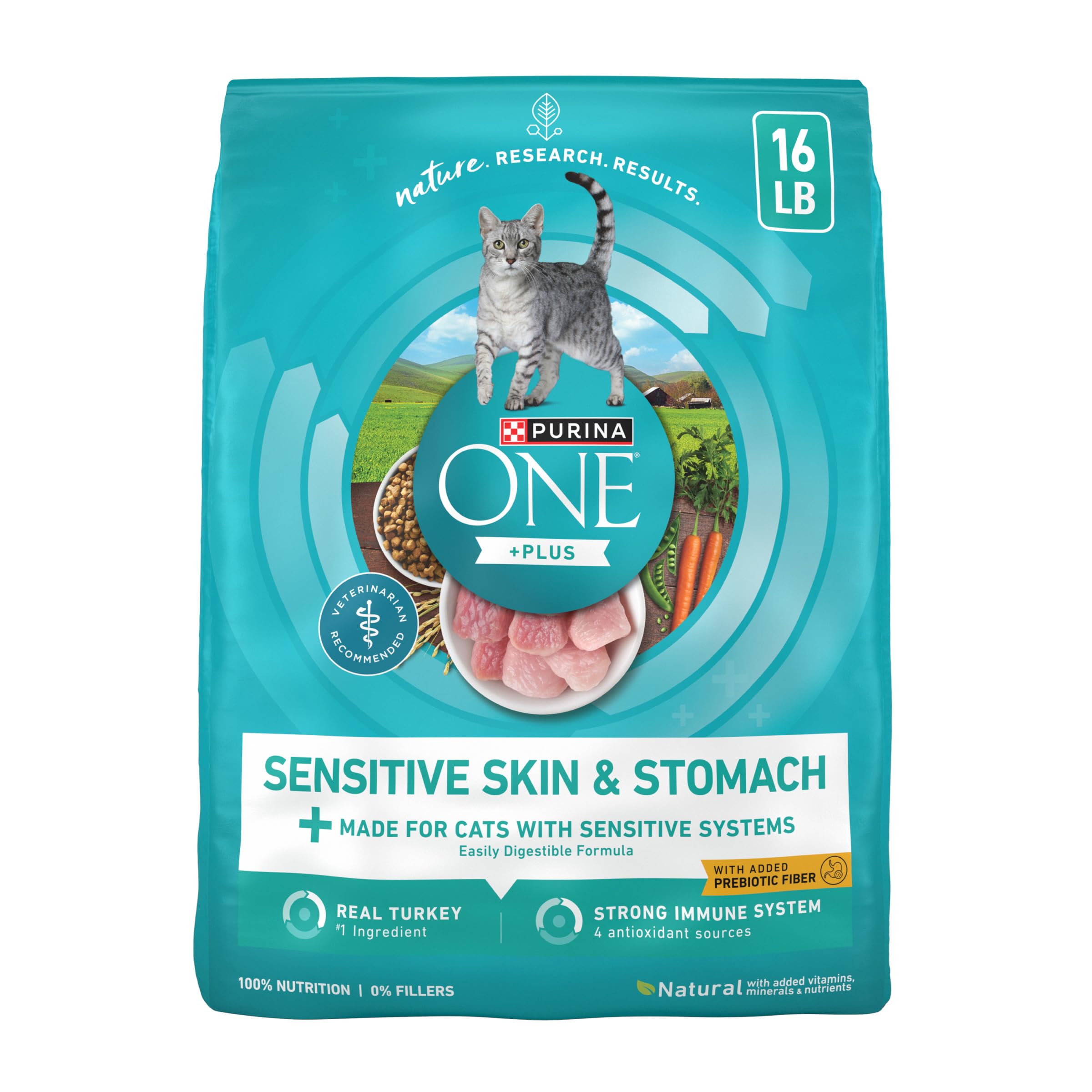
Purina ONE Sensitive Stomach Turkey

Multi-cat households

Our Score 9.6/10
Check Price

Worth Noting

  • May trigger reactions in cats with poultry allergies despite being turkey-based.
  • Ingredient formulation can shift between batches, affecting consistency.
Food Form
Dry
Grain Content
Grain-free
Protein Source
Turkey
Prebiotic / Probiotic
Added prebiotic fiber
Read the full review

Purina ONE Sensitive Stomach delivers the digestive benefits of a grain-free formula without the premium price. Its prebiotic fiber and turkey first ingredient help firm stool and cut vomiting in many cats, making it a strong value for multi-cat households. While it lacks the clinical backing of the top pick, the 16-pound bag stretches further on a mid-range budget. One limitation: despite being turkey-based, it may not suit cats with poultry allergies, and ingredient changes have occurred over time.

Bottom line: This bag works well for multi-cat households that want grain-free digestive support without the top-tier price — just verify your cat's poultry tolerance first.
2

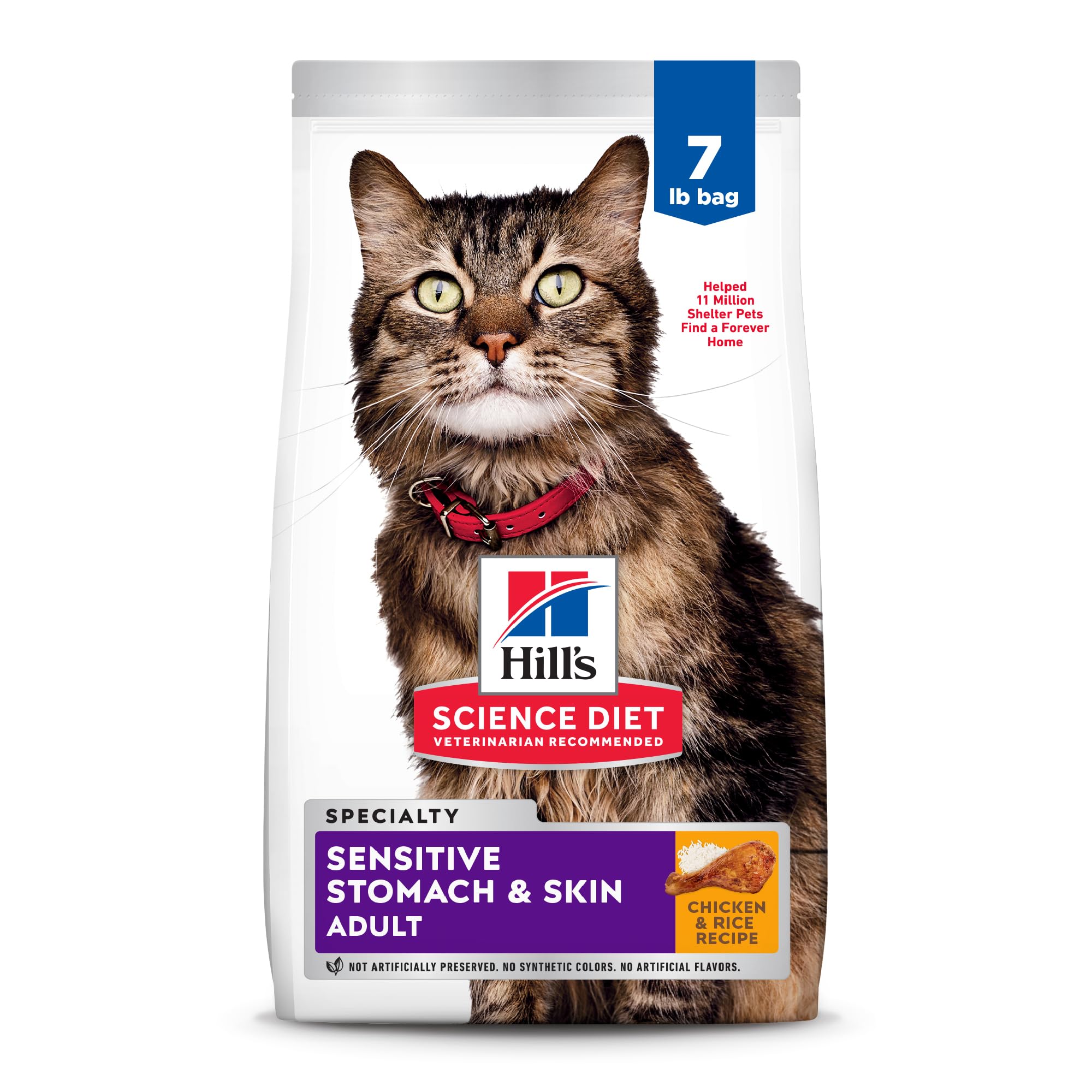
Hill's Sensitive Stomach Chicken

Hill's Sensitive Stomach Chicken

Chronic diarrhea

Our Score 9.4/10
Check Price

Worth Noting

  • Some cats may refuse the updated recipe due to a palatability shift from the previous formula.
Food Form
Dry
Grain Content
Rice
Protein Source
Chicken
Prebiotic / Probiotic
FOS prebiotic
Read the full review

Hill's Science Diet Sensitive Stomach & Skin delivers firm stool and stops vomiting in many cats within days of switching. The formula uses prebiotic fiber and omega fatty acids to support both digestion and skin health, and it carries a strong veterinary nutrition pedigree that owners of cats with chronic digestive issues value.

This food suits cats that need reliable digestive support and owners willing to pay a premium for a science-backed diet. A small percentage of cats may refuse the updated recipe, so if your cat is a finicky eater, starting with a sample bag is worth considering. For those whose cats accept it, the results are consistent and repeatable.

Try a small bag first if your cat has a history of rejecting new foods, as the updated recipe may be less palatable to some.

Bottom line: For cats with chronic diarrhea or vomiting that aren't picky eaters, this food provides consistent digestive relief backed by decades of veterinary formulation.

3

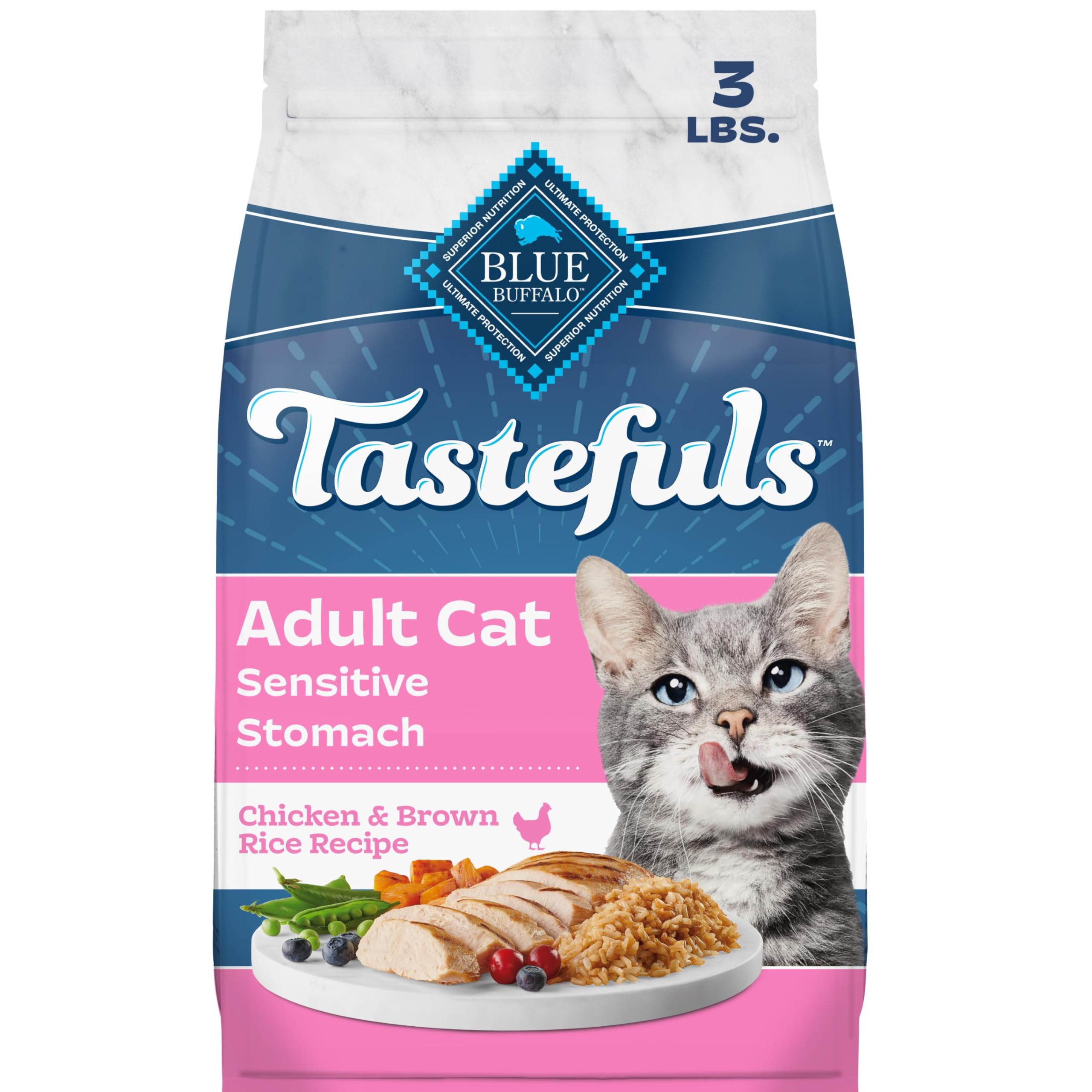
Blue Buffalo Sensitive Stomach

Blue Buffalo Sensitive Stomach

Mild digestive issues

Our Score 9.4/10
Check Price

Worth Noting

  • Some cats may refuse the kibble due to taste or texture
Food Form
Dry
Grain Content
Brown rice
Protein Source
Chicken
Prebiotic / Probiotic
FOS prebiotic
Read the full review

Blue Buffalo's Tastefuls Sensitive Stomach offers the most affordable path to a prebiotic-rich diet for cats with mild digestive issues. The chicken-and-brown-rice formula with FOS fiber supports firmer stool and reduces vomiting without stretching the grocery budget. It lacks the clinical backing of the top pick but provides a low-risk trial for owners wanting to test a sensitive stomach formula cheaply. Best suited for owners whose cats have no chicken allergies and will eat most kibbles — picky cats or those with poultry sensitivities should look at novel protein options.

Mix with current kibble for the first few days to test acceptance.

Bottom line: A solid starting point for budget-strapped owners whose cats tolerate chicken — not the final answer if your cat is picky or has allergies.

4

Purina Cat Chow Gentle Turkey

Purina Cat Chow Gentle Turkey

Multi-cat budget

Our Score 9.4/10
Check Price

Worth Noting

  • Contains grain and corn, so not suitable for cats with grain allergies or severe food sensitivities.
Food Form
Dry
Grain Content
Contains grains
Protein Source
Turkey
Prebiotic / Probiotic
Natural prebiotic fiber
Read the full review

This Purina Cat Chow formula uses farm-raised turkey and natural prebiotic fiber to support digestion, and feedback confirms it reduces vomiting and loose stool in many cats. The large bag keeps per-meal costs low, making it a practical choice for multi-cat homes on a tight budget.

It is not grain-free and contains corn, so cats with diagnosed grain allergies or severe food sensitivities may not tolerate it. For households without those restrictions, this offers solid digestive support at a fraction of the cost of grain-free alternatives.

Bottom line: Best for multi-cat homes needing a gentle, affordable kibble that handles mild diarrhea — skip it if grain-free is a requirement.

5

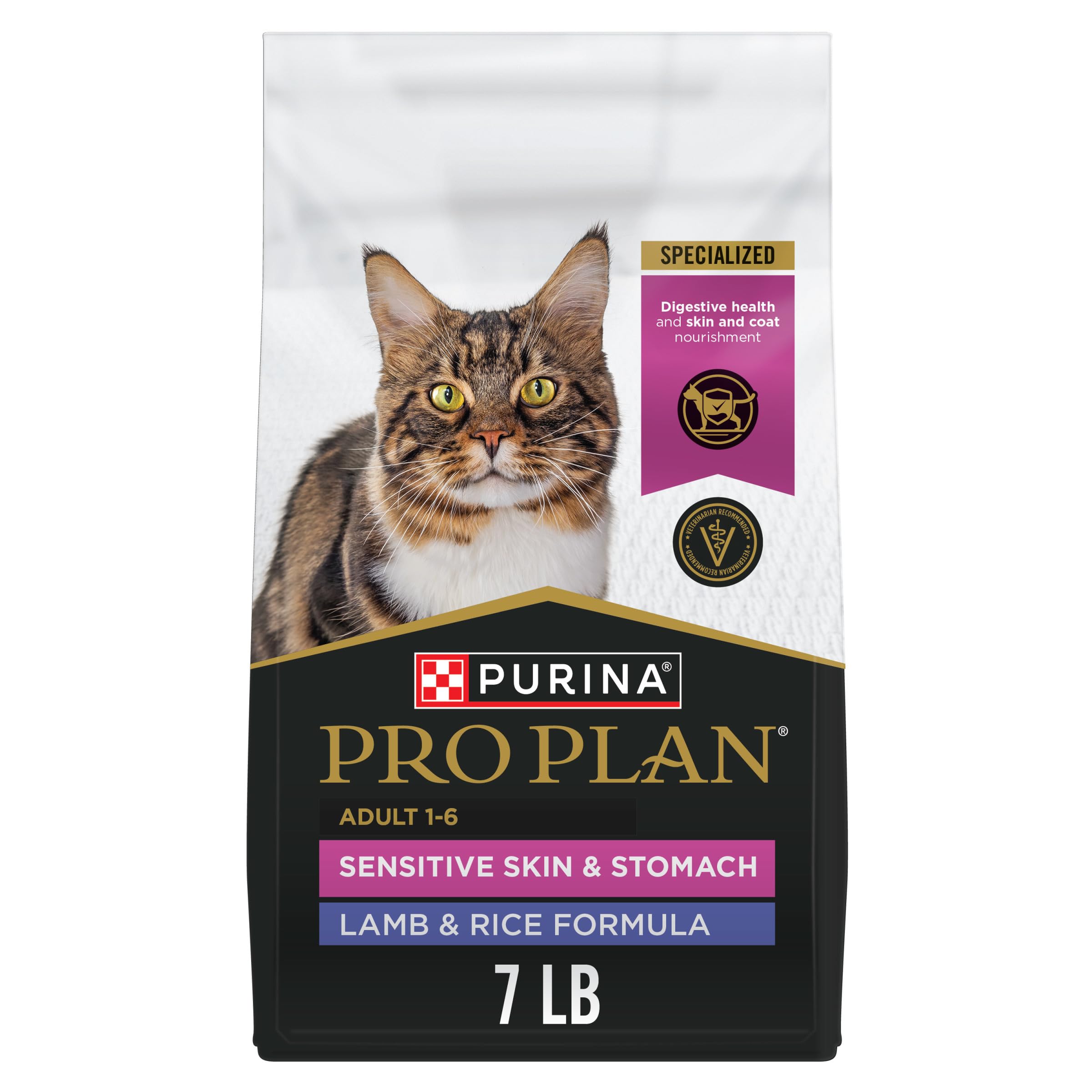
Purina Pro Plan Lamb & Rice

Purina Pro Plan Lamb & Rice

Poultry allergies

Our Score 9.4/10
Check Price

Worth Noting

  • The lamb flavor may not appeal to all cats, and some cats can have digestive upset after switching.
Food Form
Dry
Grain Content
Rice
Protein Source
Lamb
Prebiotic / Probiotic
Live probiotics
Read the full review

For cats whose diarrhea traces back to poultry, this formula swaps chicken for lamb as the primary protein and adds live probiotics to support gut health. The high protein content and rice base make it gentle on sensitive stomachs while still delivering complete nutrition.

Best suited for cats with confirmed poultry sensitivities that need a novel protein source, though it costs more than chicken-based alternatives and the lamb flavor may not appeal to every cat. A slow transition over a week helps minimize the risk of refusal or digestive upset.

Transition slowly over 7-10 days to give your cat's digestive system time to adjust to the new protein source.

Bottom line: An effective choice for diarrhea linked to chicken allergies, but worth trying a small bag first to confirm your cat accepts the lamb flavor.

6

Blue Buffalo Digestive Care

Blue Buffalo Digestive Care

Stubborn cases

Our Score 9.4/10
Check Price

Worth Noting

  • Kibble texture can vary between bags, with some pieces being very hard or oily.
Food Form
Dry
Grain Content
Protein Source
Chicken
Prebiotic / Probiotic
Prebiotic fiber
Read the full review

This Blue Buffalo formula uses a clinically tested prebiotic to firm stool in cats with stubborn digestive trouble that other sensitive foods haven't fixed. Many cats eat it readily and owners see a real reduction in vomiting and loose stools. However, the 3.5-pound bag is small for the price, and kibble texture can vary between batches — some pieces are very hard or oily, which may put off picky eaters.

Bottom line: Worth trying for a short trial if your cat has chronic diarrhea that hasn't responded to other sensitive formulas — not a long-term value due to small bag size and batch inconsistencies.

7

Royal Canin Digestive Dry

Royal Canin Digestive Dry

Slow eaters

Our Score 9.4/10
Check Price

Worth Noting

  • Large, hard kibble can be difficult for cats with small mouths or dental issues to chew.
Food Form
Dry
Grain Content
Protein Source
Prebiotic / Probiotic
Optimal blend
Read the full review

The ring-shaped kibble design encourages slower eating, and the formula is clinically proven to achieve over 95% healthy stool within 10 days. However, the large, hard kibble is difficult for some cats to chew, and many cats refuse to eat it altogether. This food suits cats with chronic digestive issues whose owners are willing to try this unique shape and accept that pickiness or chewing difficulty may limit its appeal.

Bottom line: Best for chronic digestive issues if your cat accepts the unique kibble shape and size; otherwise, consider a softer option.

8

Hill's Perfect Digestion Salmon

Hill's Perfect Digestion Salmon

Mild sensitivity

Our Score 9.4/10
Check Price

Worth Noting

  • Some cats may refuse the salmon flavor or develop loose stool.
Food Form
Dry
Grain Content
Whole grains, oats
Protein Source
Salmon
Prebiotic / Probiotic
ActivBiome+
Read the full review

Hill's Perfect Digestion Salmon uses salmon as first ingredient, which cats that like fish tend to enjoy. The ActivBiome+ prebiotic blend supports mild digestive sensitivity and often firms stool within a week. However, it has a more limited track record than Hill's chicken sensitive stomach formula, and the salmon can cause fishy stool odor that some owners find unpleasant.

Bottom line: A valid pick for cats with mild digestive sensitivity that enjoy salmon, provided the owner is not bothered by potential fishy stool odor and accepts a less established track record than the chicken formula.

9

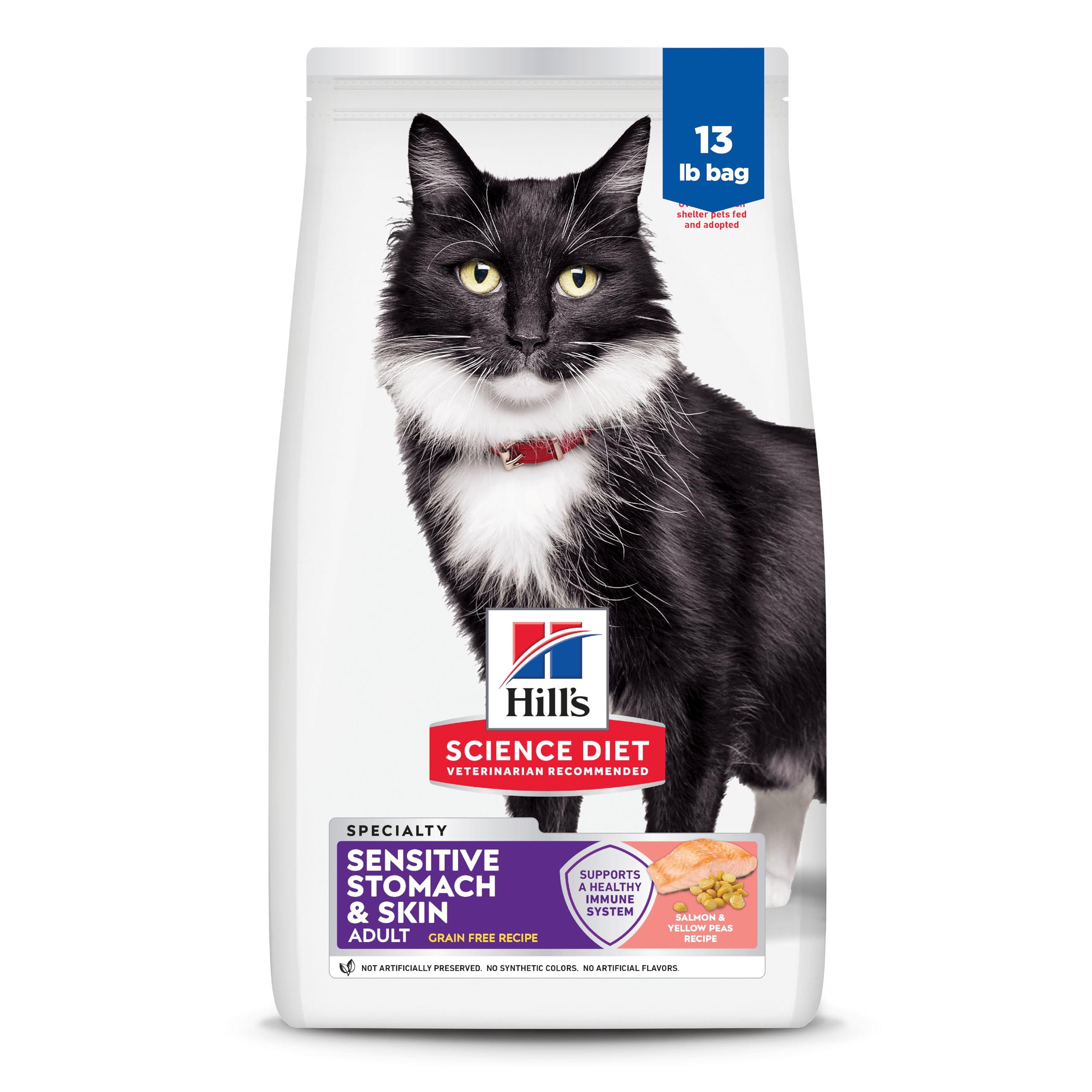
Hill's Grain Free Salmon

Hill's Grain Free Salmon

Grain allergies

Our Score 9.4/10
Check Price

Worth Noting

  • Premium-priced bag may feel costly for cats that don't require grain-free food.
Food Form
Dry
Grain Content
Grain-free
Protein Source
Salmon
Prebiotic / Probiotic
FOS prebiotic
Read the full review

This grain-free formula using salmon and yellow peas effectively resolves digestive issues and reduces hairballs for cats with grain sensitivities. However, the premium price tag is difficult to justify unless your cat has a diagnosed grain allergy that requires a grain-free diet. The high cost and occasional refusal from picky cats make it a narrow recommendation — better suited as a targeted solution rather than a first-line choice.

Bottom line: Only consider this if your cat has a confirmed grain allergy and you've ruled out other sensitive stomach formulas — the cost is otherwise hard to justify.

10

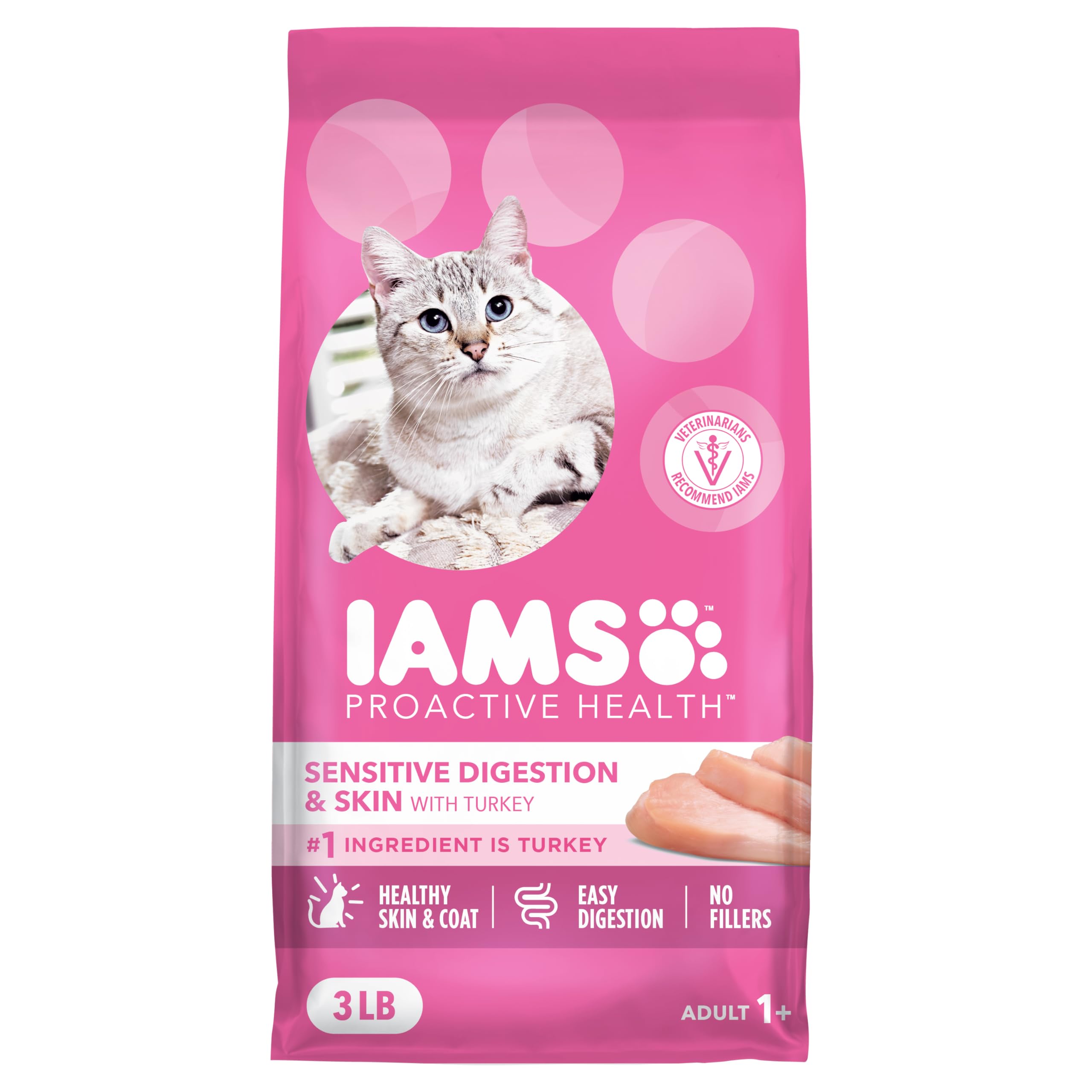
IAMS Sensitive Digestion Turkey

IAMS Sensitive Digestion Turkey

Tight budget

Our Score 9.4/10
Check Price

Worth Noting

  • Palatability can be hit-or-miss
Food Form
Dry
Grain Content
Contains grains
Protein Source
Turkey
Prebiotic / Probiotic
Fiber blend, prebiotics
Read the full review

This IAMS formula pairs real turkey with a prebiotic fiber blend to support digestion and reduce vomiting at a price that undercuts nearly every competitor. That value comes with a clear caveat: some cats simply refuse to eat the kibble or vomit after trying it. For owners on a strict budget whose cat isn't a picky eater and hasn't reacted badly to other poultry-based foods, it's a low-cost trial worth making. If your cat turns up its nose at new foods or has a history of ingredient sensitivities, the risk of wasted money is higher than with more consistent options.

Bottom line: Best for budget-conscious owners whose cats aren't picky and have tolerated poultry-based foods before.

11

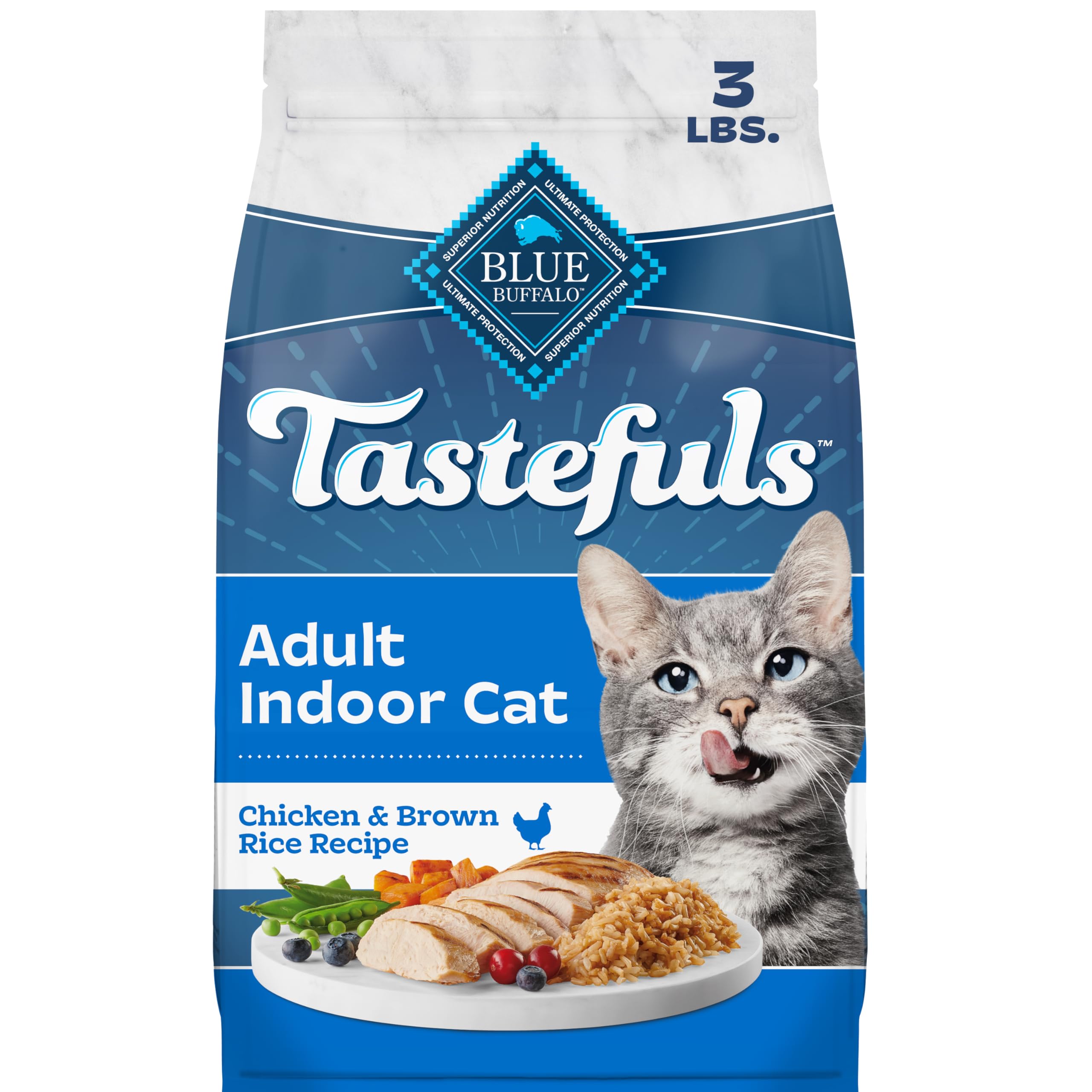
Blue Buffalo Indoor Chicken

Blue Buffalo Indoor Chicken

Healthy indoor cats

Our Score 9.4/10
Check Price

Worth Noting

  • May cause diarrhea in sensitive cats, so avoid if your cat has digestive issues.
Food Form
Dry
Grain Content
Brown rice
Protein Source
Chicken
Prebiotic / Probiotic
Read the full review

Real chicken first with brown rice and no corn, wheat, or soy at a budget-friendly price. Cats tend to enjoy the taste and owners like the natural ingredient list. However, this formula is not designed for digestive issues — some cats develop diarrhea after switching, especially those with existing sensitivities. Best suited for healthy adult indoor cats without active stomach problems.

Bottom line: A solid budget pick for indoor cats with healthy digestion, but skip this one if your cat needs diarrhea management.

12

Royal Canin Digestive Wet

Royal Canin Digestive Wet

Hydration + vomiting

Our Score 9.2/10
Check Price

Worth Noting

  • Strong smell can be off-putting when opening a can, especially in enclosed spaces.
  • Premium pricing per serving compared to other wet foods.
Food Form
Wet
Grain Content
Not specified
Protein Source
Highly digestible
Prebiotic / Probiotic
Not specified
Read the full review

This wet food delivers thin slices in gravy, offering both hydration and digestive support in a single serving — a clear difference from dry ring-shaped kibble alternatives. Cats that struggle with chronic vomiting, pancreatitis, or simply need more moisture in their diet tend to respond well here. The strong odor when opening a can can be off-putting in small kitchens, and the per-serving cost sits above many wet options.

Let the food sit for a minute after opening to reduce the initial odor — the gravy aroma mellows quickly.

Bottom line: For cats that need moisture and digestive support, this wet food delivers consistent results despite the strong odor and higher price.

13

Royal Canin Sensitive Digestion

Royal Canin Sensitive Digestion

Chronic digestive issues

Our Score 9.2/10
Check Price

Worth Noting

  • Oily residue may develop at the bottom of some bags, causing refusal in some cats.
Food Form
Dry
Grain Content
Protein Source
Prebiotic / Probiotic
Prebiotics
Read the full review

Royal Canin's Sensitive Digestion formula offers prebiotic support for cats with mild digestive issues at a lower price than the Digestive Care line. Some bags may develop oily kibble, and the evidence base isn't as deep as the higher-tier option — making this a practical choice for owners seeking a gentle, cost-effective entry point rather than clinical-strength intervention.

Bottom line: A good fit for owners who want Royal Canin's sensitive digestion approach at a lower price and can accept occasional batch oiliness – best for cats with mild, non-chronic digestive sensitivity.

How to Choose

Prebiotic and Probiotic Content

Prebiotic fibers like FOS and inulin feed beneficial gut bacteria, helping to bulk up stool and reduce diarrhea. Probiotics add live bacteria directly, which can be especially useful for cats that have been on antibiotics or have chronic sensitivities.

The trade-off: prebiotics can cause gas or bloating in some cats during the first week, and probiotics lose potency if the food is stored improperly. Look for formulas that specify the type of prebiotic (e.g., FOS) and guarantee live probiotics at the time of manufacturing.

Protein Source and Digestibility

A highly digestible protein like chicken, turkey, lamb, or salmon is easier for a sensitive stomach to process. Novel proteins (lamb, salmon) often work better for cats that have developed an intolerance to more common proteins like chicken.

The catch: some cats react to the specific protein source itself, not the food quality. If diarrhea continues on a chicken-based formula, switching to a lamb or salmon recipe may resolve it. Avoid high-protein formulas (over 40%) for cats with very sensitive stomachs, as excess protein can worsen loose stools.

Grain Content

Grain-free formulas replace grains with legumes like peas or potatoes, which can be easier to digest for cats with true grain allergies. However, grain-free is not inherently better for diarrhea — many cats do fine with whole grains like brown rice or oats.

The real issue: grain-free diets were linked to heart concerns in some studies, and they are more expensive. Unless your cat has a diagnosed grain sensitivity, a whole-grain formula often provides enough fiber to firm stool without the premium price.

Wet vs. Dry Food

Wet food provides extra hydration, which is helpful for cats that don't drink enough, but it can be less consistent in fiber content. Dry kibble often contains more prebiotic fiber per serving and is easier to transition gradually.

The hidden trade-off: wet food can spoil quickly if left out, and some cats develop diarrhea from the thickeners or gums used in gravy recipes. If you choose wet, look for formulas specifically designed for digestive care and serve at room temperature to avoid stomach upset.

Frequently Asked Questions